If you are comparing the price of teeth veneers in Melbourne, the most useful answer is that veneers are usually priced according to your individual treatment plan rather than a single standard fee. The main influences are the material chosen, the number of teeth involved, the condition of your existing teeth and gums, the amount of planning and preparation required, laboratory work, and what is included in follow-up care.
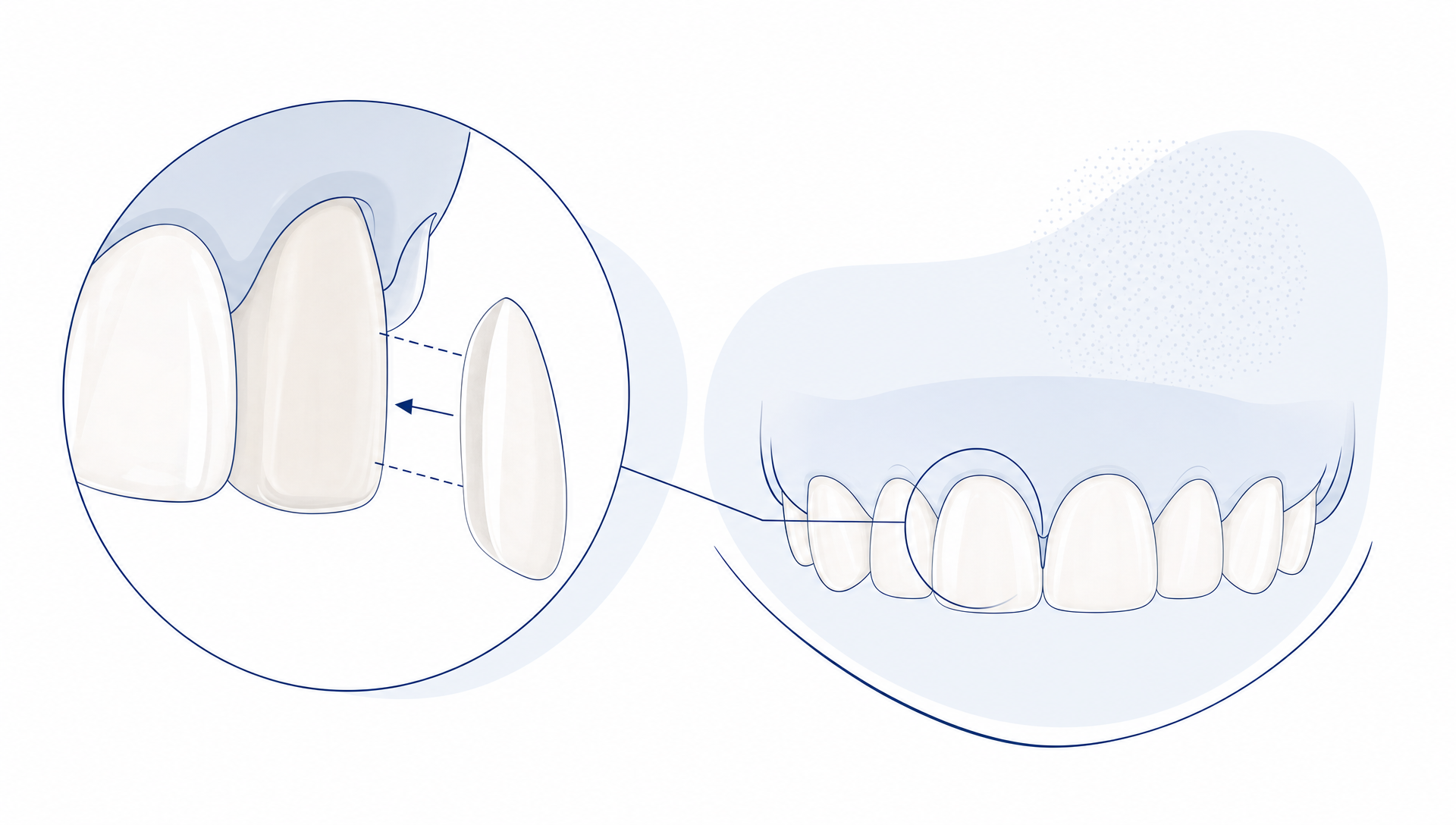
A veneer is a thin covering placed over the front surface of a tooth to change aspects such as colour, shape, size or minor alignment appearance. Veneers may be made from porcelain or composite resin. They can be considered for some cosmetic concerns, but they are not suitable for every patient, and a dental examination is needed before a dentist can recommend an option or provide an accurate quote.
This article explains the common cost factors so you can read quotes more clearly and ask informed questions before deciding whether veneers are appropriate for your circumstances.
What affects the price of teeth veneers most?
The price of teeth veneers is usually influenced by a combination of clinical, material and planning factors. Two people may both be considering veneers, but their quotes can differ significantly if one person needs a single composite veneer and another needs multiple porcelain veneers with bite assessment, temporary veneers and custom laboratory work.
| Cost factor | Why it can affect the quote |
|---|---|
| Veneer material | Porcelain and composite resin involve different materials, appointment steps and laboratory requirements. |
| Number of teeth | More veneers generally require more clinical time, planning and materials. |
| Tooth and gum health | Decay, gum inflammation, cracks or old restorations may need to be addressed first. |
| Tooth preparation | Some cases require more reshaping or temporary restorations than others. |
| Bite and grinding habits | A heavy bite or teeth grinding may require extra planning or protective appliances. |
| Cosmetic planning | Digital scans, photographs, mock-ups and shade planning can add time and precision. |
| Dental laboratory work | Custom porcelain veneers are usually made outside the mouth by a dental laboratory. |
| Follow-up and maintenance | Reviews, adjustments and protective care may be included or quoted separately. |
A lower fee is not automatically poor care, and a higher fee does not automatically mean the treatment is suitable. The key is understanding exactly what is being quoted and why it has been recommended for your mouth.
The type of veneer material
Material choice is one of the clearest factors in veneer pricing.
Porcelain veneers are thin ceramic shells made to fit the prepared front surface of the tooth. They are usually made by a dental laboratory after your dentist takes records such as scans, impressions and shade information. Porcelain can be selected because it may offer good colour stability and a ceramic appearance, but it usually involves more planning, laboratory fees and multiple appointments.
Composite resin veneers use tooth-coloured resin material. In many cases, composite can be placed directly onto the tooth by the dentist, although treatment approaches vary. Composite often has a lower upfront cost than porcelain because it may require less laboratory involvement. However, it may be more prone to staining, chipping or surface wear over time, which can affect maintenance costs.
Neither material is universally better. Your dentist can explain the potential benefits, limitations and risks of each option based on your teeth, bite, goals and budget. If you are comparing these two options, Creative Smiles has a separate guide to the difference between veneers and bonding that may help clarify how composite and porcelain approaches differ.
The number of teeth being treated
Veneers are commonly quoted per tooth, but the number of teeth involved can change more than just the material cost.
A single veneer on a front tooth can be complex because it needs to blend with the surrounding natural teeth. Matching shade, translucency and shape may take careful planning, especially if the neighbouring teeth have natural colour variation or existing restorations.
A group of veneers may involve more design time because the dentist is considering the proportions, gum line, tooth edges and how the teeth relate to your lips and bite. This does not mean everyone needs multiple veneers. In some cases, a conservative option such as whitening, contouring, bonding or orthodontic treatment may be more suitable.
The number of veneers should be based on the clinical assessment and your preferences, not a standard package.
Existing oral health and preparation needed
Before cosmetic treatment is considered, your dentist needs to assess the health of your teeth and gums. Veneers are bonded to existing tooth structure, so the foundation matters.
If there is tooth decay, gum disease, cracked enamel, leaking old fillings or active dental pain, these issues may need treatment before veneers are planned. This can affect the overall cost, but it is an important part of providing appropriate care rather than simply covering a problem.
Tooth preparation can also vary. Some veneers require minimal reshaping, while others may require more enamel reduction to create room for the material and achieve a suitable fit. Once tooth structure has been removed, it cannot be replaced naturally, so this should be discussed carefully before treatment begins.
All dental procedures carry potential risks and benefits. For veneers, possible risks can include tooth sensitivity, chipping, debonding, colour mismatch, gum irritation, the need for replacement in the future, or the need for further dental treatment if the tooth changes over time.
Bite, grinding and functional factors
A veneer is not only a cosmetic surface. It also needs to function when you speak, chew and bring your teeth together.
If you clench or grind your teeth, sometimes called bruxism, veneers may be at higher risk of chipping or debonding. Your dentist may need to assess your bite, the way your teeth meet and whether a protective night guard should be considered after treatment. This can influence both the initial quote and the ongoing maintenance plan.
Teeth that are worn, heavily filled or positioned in a way that creates strong biting forces may need additional planning. In some cases, veneers may not be the most appropriate treatment, and a dentist may discuss alternatives such as orthodontic treatment, crowns or managing the bite first.
Planning, scans, mock-ups and records
The planning stage can make a meaningful difference to the final quote. Veneer treatment may involve photographs, dental scans or impressions, X-rays where clinically indicated, bite records, shade selection and a mock-up or trial design.
A mock-up is a temporary preview of proposed tooth shapes, often placed over the teeth or created on a model. It does not guarantee the final result, but it can help you and your dentist discuss proportions, tooth length and other design details before any irreversible steps are taken.
More complex cases may require additional planning appointments or collaboration with a dental laboratory. If you would like a broader overview of the treatment steps, Creative Smiles has a patient guide to veneers treatment that explains the process in more detail.
Dental laboratory and customisation
Porcelain veneers are usually custom made by a dental laboratory. The laboratory component can influence the price because it involves materials, technical skill, equipment and time.
Customisation may include the veneer shape, shade, edge translucency, surface texture and how the veneer fits at the gum line. A natural-looking match for one or two teeth can sometimes be more technically demanding than making several veneers the same shade, because the new restorations need to blend with existing teeth.
This does not mean the most expensive option is always necessary. It means that when you compare quotes, it is worth asking what type of ceramic is being used, who is making the veneers, what records are being provided to the laboratory and whether a try-in appointment is included before final bonding.
Dentist time, appointment complexity and follow-up
The time required for veneer treatment can vary. Some cases are relatively straightforward. Others involve replacing older veneers, managing uneven tooth wear, working around existing fillings or carefully adjusting the bite.
A porcelain veneer plan may include a consultation, records appointment, tooth preparation, temporary veneers, a try-in appointment, final bonding and review. Composite veneers may involve fewer stages, but they still require careful shaping, polishing and bite checking.
Follow-up care is also worth asking about. Some quotes include post-treatment reviews or minor adjustments within a certain timeframe, while others may list these separately. A clear written treatment plan can help you understand what is included before you proceed.
Location and clinic inclusions in Melbourne
Dental fees can vary between clinics in Armadale, wider Melbourne and regional areas due to differences in rent, staffing, laboratory arrangements, appointment length and the level of planning included. This is one reason headline prices can be hard to compare.
When reviewing a quote, try not to compare only the fee per tooth. Instead, compare the full treatment pathway. A quote that includes diagnostic records, temporaries, custom laboratory work, review appointments and a protective night guard, where appropriate, may not be the same as a quote that lists only the veneer itself.
If a quote is much lower than others, it is reasonable to ask what is included, what is not included and what may become an additional cost later. If a quote is higher, it is also reasonable to ask why and whether more conservative alternatives have been considered.
What should a veneer quote include?
A helpful veneer quote should make the proposed treatment understandable. It should not leave you guessing about the material, number of teeth or possible additional fees.
When discussing a quote, you may wish to ask about:
- The type of veneer material being recommended and why
- The number of veneers included in the plan
- Whether scans, X-rays, photos or mock-ups are included
- Whether temporary veneers are needed and included
- Laboratory fees for porcelain veneers
- Any treatment needed before veneers, such as fillings or gum care
- Whether reviews, adjustments or a night guard are included
- Expected maintenance and possible future replacement costs
- Payment options and the total amount payable if finance is used
If you have private health insurance extras cover, check directly with your health fund before treatment. Cosmetic dental items may have limits or exclusions, and each policy is different.
Price versus long-term value
Upfront cost is important, but it is not the only financial consideration. Veneers may need maintenance, repair or replacement over time. The long-term value of treatment depends on material choice, oral hygiene, diet, grinding habits, bite forces, dental attendance and how well the veneers are cared for.
For example, composite resin may be more affordable at the start, but it may need polishing, repair or replacement sooner than porcelain in some situations. Porcelain may involve a higher initial cost, but it may offer different wear and stain-resistance characteristics. Individual outcomes vary, so it is best to discuss likely maintenance in your own case.
You can read more about the lifespan and care factors in Creative Smiles’ guide to how long veneers last. This can be useful when comparing not only the initial fee, but also the likely maintenance involved.
Are there lower-cost alternatives to veneers?
Sometimes, yes. The most suitable option depends on what you want to change and what your oral health allows.
Teeth whitening may be considered if the main concern is tooth colour and the teeth are otherwise suitable. Composite bonding may be considered for minor chips, small gaps or shape changes. Orthodontic treatment may be more appropriate if tooth position is the main concern. Crowns may be discussed when a tooth has lost more structure, although crowns usually involve more tooth coverage than veneers.
A careful assessment can help avoid unnecessary treatment. Veneers may be appropriate for some patients, but they are not the only cosmetic dental option.
Ways to manage the cost thoughtfully
If veneers are suitable but the quote is higher than expected, there may be ways to manage the cost without rushing into treatment.
You might discuss treating fewer teeth, staging treatment over time, choosing composite resin where clinically appropriate, whitening before shade matching, or delaying cosmetic work until oral health issues are stable. Payment plans may also be available at some clinics, but it is important to understand fees, interest, repayment terms and the total amount payable before committing.
At Creative Smiles in Armadale, a consultation can help clarify which options may be appropriate for your teeth and what costs may apply. Your dentist can explain the potential benefits, limitations and alternatives so you can make a considered decision.
For independent general oral health information, the Australian Dental Association’s patient site Teeth.org.au is also a useful resource.
Frequently Asked Questions
Why do porcelain veneers usually cost more than composite veneers? Porcelain veneers usually involve laboratory fabrication, additional planning and multiple appointments. Composite veneers are often built directly with resin material, which may reduce the upfront cost. The right choice depends on your teeth, goals, maintenance expectations and clinical suitability.
Can I get an accurate veneer price without a consultation? Usually, no. A dentist needs to assess your teeth, gums, bite, existing restorations and treatment goals before providing a meaningful quote. Online prices can give a general idea, but they may not reflect what is appropriate for your mouth.
Does the number of veneers change the price per tooth? It can. More veneers generally increase the total fee because more materials, planning and clinical time are needed. However, a single veneer can also be complex if it needs to match surrounding teeth closely.
Are cheaper veneers unsafe? Not necessarily. A lower quote may reflect a different material, simpler planning or fewer inclusions. The important step is to ask what is included, what material is being used, who is making the veneers, what follow-up is provided and what risks or limitations apply.
Will private health insurance cover veneers? It depends on your policy and the reason for treatment. Many cosmetic dental treatments have restrictions, limits or exclusions. Contact your health fund with any item numbers supplied in your quote so you can confirm what may or may not be covered.
Do veneers last forever? No. Veneers are not permanent. They may need repair, maintenance or replacement over time. Longevity varies between patients and depends on material, oral hygiene, bite forces, grinding, diet and regular dental care.
What if I have tooth pain or gum problems before veneers? Pain, swelling, bleeding gums, decay or loose teeth should be assessed before cosmetic treatment is planned. Your dentist may recommend stabilising your oral health first, which can affect the timing and overall cost of veneer treatment.
Considering veneers in Armadale?
If you are comparing veneer costs, a dental assessment is the most reliable way to understand your options. Creative Smiles in Armadale can assess your oral health, discuss whether veneers may be suitable and provide a treatment plan that explains the likely costs, benefits, risks and alternatives.
To discuss your concerns, you can arrange an appointment with the team at Creative Smiles in Armadale, Melbourne VIC.