The dental services offered at a routine visit usually focus on checking your teeth and gums, discussing any concerns and planning appropriate care. Cleaning, X-rays and fluoride treatment may also be recommended, but they are not automatically needed or included at every appointment.
For patients booking in Armadale or elsewhere in Melbourne, it helps to distinguish a routine examination from treatment. A check-up identifies what may need attention; your dentist should explain any proposed treatment, its costs and your options before proceeding.
What usually happens at a routine check-up?
A routine visit is tailored to your oral health, medical history and current concerns. A first appointment may involve a broader assessment than a return visit, particularly if previous dental records are unavailable.
| Part of the visit | What it involves | Is it needed every time? |
|---|---|---|
| Health and symptom discussion | Reviewing medicines, health changes and dental concerns | Usually part of the assessment |
| Oral examination | Checking teeth, gums and other tissues in the mouth | Usually part of a routine check-up |
| Gum assessment | Looking for inflammation and checking support around teeth | The extent depends on your needs |
| Cleaning | Removing plaque and hardened deposits | Depends on findings and the appointment booked |
| Dental X-rays | Investigating areas that cannot be fully assessed by sight | Only when clinically justified |
| Preventive advice or treatment | Discussing home care and measures to reduce dental disease risk | Tailored to your circumstances |
Ask the practice what your booking includes. An appointment described as a “check-up” does not necessarily include every service listed above.
Understanding the dental services offered at a routine visit
Reviewing your health and examining your mouth
Your dentist will usually ask about discomfort, bleeding gums, sensitivity and any changes you have noticed. Let them know about medicines, allergies, pregnancy, medical conditions and previous difficulties with dental treatment.
These details can affect assessment and care. For example, some medicines contribute to a dry mouth, which can increase the risk of tooth decay. The relationship between oral health and overall health is one reason your medical history matters at a dental appointment.
The examination generally includes checking for decay, assessing existing fillings and looking at how your teeth meet when you bite. Your dentist may also examine your tongue, cheeks and other soft tissues for unusual changes. A finding may need monitoring, further investigation or referral rather than immediate treatment.
Assessing gum health
Gum health is about more than whether your gums look healthy. Your dentist may check for bleeding, hardened deposits and changes in the tissues that support your teeth.
They may use a small measuring instrument to assess the spaces between your teeth and gums. These measurements help identify whether a more detailed gum assessment is needed.
Gingivitis means inflammation of the gums. Periodontitis is gum disease that affects the tissues supporting the teeth. If signs of either are found, your dentist can explain the findings and whether home-care changes, cleaning or additional treatment may be appropriate.
Cleaning and polishing
Among the dental services offered during routine care, a scale and clean is a familiar option. “Scaling” means removing plaque and calculus, the hardened deposits often called tartar, from tooth surfaces. Polishing may remove some surface staining.
Professional cleaning does not replace brushing and cleaning between your teeth at home. It also does not necessarily change the underlying colour of your teeth in the way a whitening treatment may.
Some people experience temporary sensitivity, tenderness or bleeding, particularly when their gums are inflamed. Tell the clinician if you are uncomfortable so they can discuss ways to manage the appointment.
More involved gum treatment may require separate visits. A standard cleaning appointment is not necessarily sufficient when disease affects the deeper supporting tissues.
Taking X-rays when there is a reason
Dental X-rays can help assess decay between teeth, changes around tooth roots and other concerns that are not fully visible during an examination.
They use ionising radiation, so the decision to take them should have a clinical reason. Your symptoms, examination findings, risk of disease and available previous images all contribute to that decision.
The dental services offered should reflect those findings, rather than a fixed schedule of X-rays for every patient. Ask what an image is intended to investigate and whether recent images from another practice could be useful.
Tell your dentist if you are pregnant or think you may be. They can explain whether imaging is necessary and discuss the precautions relevant to your situation.
Discussing prevention
Preventive advice may cover brushing technique, cleaning between teeth, fluoride toothpaste, diet and managing a dry mouth. The aim is to identify practical changes relevant to you, not to provide the same instructions to everyone.
Your dentist may recommend fluoride varnish, a concentrated fluoride coating applied to teeth, if your risk of decay warrants it. Fissure sealants may also be considered. These are protective coatings placed over grooves in selected back teeth where plaque can collect.
Neither option removes the need for daily care, and neither is automatically required at each visit. Your dentist should explain the reason for recommending it, any limitations and the fee.
Which treatments usually need another appointment?
The dental services offered at a check-up may include discussing treatment without carrying it out that day. Fillings, crowns, root canal treatment, extractions and more involved gum care often need a dedicated appointment. Timing depends on the findings, complexity, available appointment time and your preferences.
An examination does not mean you must agree to every proposed procedure immediately. Ask what needs attention soon, what can be monitored and what could happen if treatment is delayed. Monitoring or no treatment may be reasonable in some circumstances.
Cosmetic options also need a separate discussion. Creative Smiles offers services including teeth whitening, veneers, Invisalign and dental implants, but these are not standard components of a routine check-up. Suitability depends on oral health and individual assessment, and each option carries potential benefits, risks and maintenance requirements.
A free cosmetic dental consultation is different from a comprehensive dental examination. Before booking, confirm the consultation’s scope and whether examinations, imaging or other services involve separate charges.
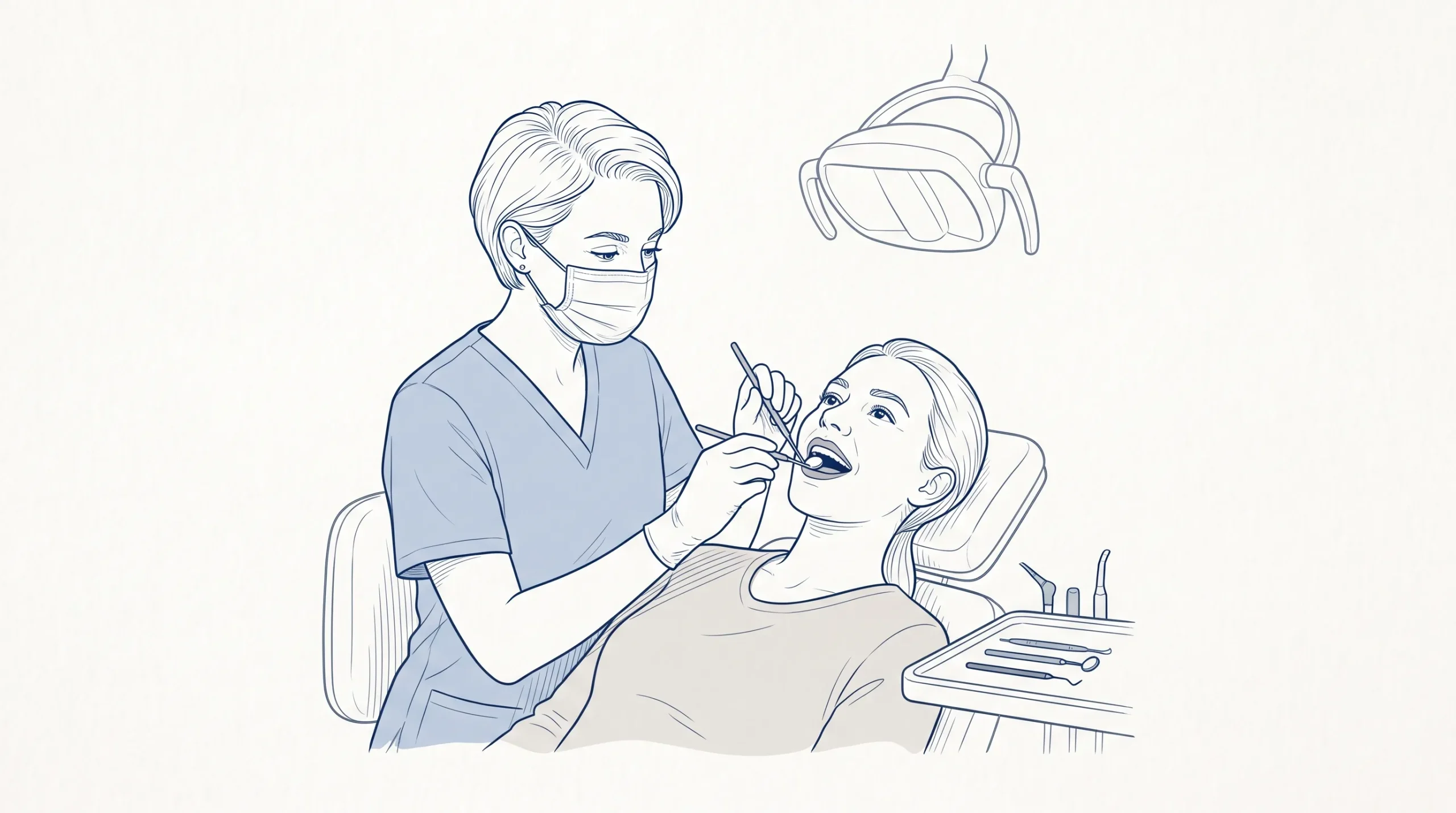
How to prepare for your appointment
Bring an up-to-date list of medicines and tell the practice about any access needs or dental anxiety when booking. If you have recent dental records or X-rays, ask whether they can be transferred with your consent.
Wear comfortable clothing, whether that is workwear or everyday activewear; no special outfit is required. Follow any specific preparation instructions the practice gives you, particularly if your appointment involves more than a routine examination.
You can also write down your main questions beforehand. The guide to visiting Creative Smiles in Armadale explains the broader appointment process, including discussing concerns and planning follow-up care.
What should you ask about fees and consent?
Before agreeing to care, ask which dental services offered are included in the quoted appointment fee and which are charged separately. Cleaning, imaging and preventive treatments may have separate fees or billing items.
Useful questions include:
- What did you find, and how does it affect my oral health?
- What are the benefits, risks and alternatives to the proposed treatment?
- Is treatment needed now, or could the area be monitored?
- What is the expected cost, including any further appointments?
- Can I have a written treatment plan or estimate?
Private health insurance benefits depend on your policy, limits and the services provided. Confirm your likely out-of-pocket cost rather than assuming a check-up is fully covered.
If cost is a barrier, ask about prioritising clinically necessary care. Eligibility for public dental care in Victoria depends on factors such as age and concession status. Eligible children may also have access to the Child Dental Benefits Schedule. Neither pathway means all dental treatment is available without limits or waiting periods.
When should you seek care sooner?
A routine appointment is not the right pathway for every concern. Contact a dentist promptly if you have persistent or worsening tooth pain, facial swelling, a broken tooth or a knocked-out adult tooth. Describe the symptoms when booking so the practice can advise on an appropriate appointment.
Swelling with difficulty breathing or swallowing requires emergency medical care. Call 000 or attend an emergency department.
For less urgent changes, such as recurring gum bleeding or sensitivity, arrange an assessment rather than trying to diagnose the cause yourself. Your dentist can also recommend a review interval based on your risk and treatment needs, rather than assuming everyone needs the same schedule.
Frequently asked questions
Does every routine visit include a clean? Not necessarily. The dental services offered depend on the appointment booked and your clinical needs. Ask whether cleaning is included when making the appointment, and whether the examination could identify a need for more involved gum treatment.
Can a filling be done during a check-up? Sometimes, but it should not be assumed. Your dentist needs to assess the tooth, explain the options and obtain your consent. A separate appointment may be needed because of treatment complexity or available time.
What if I have not visited a dentist for several years? Tell the practice when booking. A longer gap may mean a broader assessment is useful, but it does not automatically mean you need extensive treatment. The findings should guide any recommendations.
Can I attend if I am anxious about dental care? Yes. Let the team know what concerns you, including previous experiences or particular procedures. You can discuss explanations, pauses and other management options before treatment. Sedation requires separate assessment and is not routinely necessary for a check-up.
Arranging a routine assessment in Armadale
To discuss a routine examination, you can contact Creative Smiles in Armadale and explain any symptoms, concerns or questions about fees. Ask what the appointment includes and whether previous records would be useful. An individual assessment can help clarify which care is appropriate, which options are available and whether any treatment is needed.