If you have searched for “teeth smile” because something feels uneven, worn or out of balance when you look in the mirror, the cause may not be tooth colour alone. The shape, position and way your upper and lower teeth meet can all influence how your smile appears at rest, while talking and in photos.
A dental assessment can help separate normal variation from concerns such as crowding, spacing, tooth wear, missing teeth, gum display or bite issues. This does not mean every difference needs treatment. It means your dentist can explain what is happening and whether monitoring, preventive care or treatment options may be appropriate for your circumstances.
What a teeth smile concern can really mean
A smile is made up of several parts working together: teeth, gums, lips, jaw position and facial movement. When one part changes, the whole smile can look different. For example, a slightly rotated front tooth may catch the light differently, even if the tooth itself is healthy.
Your bite, also called occlusion, is the way your upper and lower teeth contact when you close your mouth. Bite issues can affect appearance, chewing comfort and the way teeth wear over time. Some bite differences are mild and do not cause problems. Others may benefit from further assessment, especially if they are linked with chipping, jaw discomfort or difficulty cleaning certain areas.
For many people, a teeth smile concern starts with something visible, such as uneven edges or crowded front teeth, but the reason behind it may involve the bite as well as the tooth shape.
How tooth position can change the way a smile looks
Tooth position affects the line, symmetry and spacing of a smile. Teeth may appear crowded, widely spaced, tilted, rotated or set at different heights. These changes can be subtle, but they may affect how even the smile looks.
Crowding can also make cleaning more difficult in tight areas. This may increase plaque retention and make gums more prone to irritation if brushing and flossing cannot reach properly. Spacing, on the other hand, may trap food or change the way the lips frame the teeth.
Clear aligners, including Invisalign, may be considered for some tooth alignment concerns, depending on oral health, bite, tooth movement required and patient goals. If you are interested in how aligners can be part of broader cosmetic planning, Creative Smiles has a helpful guide on how clear aligners may fit into a smile treatment plan.
A teeth smile assessment is different from simply looking at one front tooth, because your dentist also checks how the teeth sit together when you bite, speak and move your jaw.
How your bite can influence tooth edges, wear and comfort
Bite patterns can place uneven pressure on certain teeth. Over time, this may contribute to flattened edges, small chips, cracks in restorations or sensitive areas. Grinding or clenching, often called bruxism, can also contribute to tooth wear, although not all wear is caused by grinding.
Some bite concerns are easy to see, such as an open bite where front teeth do not meet, or a deep bite where upper teeth significantly overlap the lower teeth. Others are less obvious and may only become clear during an examination.
| What you might notice | Possible dental factor | Why your dentist checks it |
|---|---|---|
| Uneven front tooth edges | Tooth wear, chipping or bite pressure | To assess whether the bite is contributing to ongoing wear |
| Crowded or overlapping teeth | Tooth position or jaw space | To check cleaning access and alignment options |
| Gaps between teeth | Spacing, tooth size or gum changes | To assess stability, gum health and possible treatment choices |
| One side looks higher or lower | Tooth position, gum levels or bite relationship | To understand whether the issue is cosmetic, functional or both |
| Missing tooth space | Tooth loss, shifting teeth or bite changes | To discuss replacement options and protect neighbouring teeth |
Not every bite difference needs active treatment. Your dentist may recommend monitoring, preventive care, a night guard, restorative treatment or orthodontic options depending on the findings.
Tooth shape, gums and smile balance
The shape and size of teeth can influence how a smile is perceived. Some teeth are naturally smaller, more tapered or more rounded than others. Previous chips, worn edges, large fillings or old crowns can also change the appearance of individual teeth.
Gum levels play a role too. A tooth may look short if more gum is visible, or long if gum recession has exposed part of the root surface. Gum health needs to be assessed before cosmetic treatment is planned, because inflamed gums can affect both comfort and treatment outcomes.
Cosmetic options such as bonding, veneers or crowns may be discussed where appropriate, but they are not interchangeable. Veneers, for example, involve placing a thin facing on the front surface of a tooth and may require removal of some enamel. Suitability depends on tooth structure, bite, gum health and treatment goals. You can read more about considerations in this veneers treatment guide.
Missing teeth and changes in smile support
A missing tooth can affect more than the gap itself. Nearby teeth may drift, the opposing tooth may move into the space and the bite may change. In some cases, the lips or cheeks may also be less supported, particularly when several teeth are missing.
Replacement options can include dentures, bridges, dental implants or full-arch implant solutions, depending on the number of missing teeth, bone levels, gum health, medical history and personal preferences. Each option has benefits, limitations, maintenance needs and costs that should be discussed during an individual assessment.
When a teeth smile concern is linked to missing teeth, planning often looks at both appearance and function so that chewing, cleaning and bite stability are considered alongside the visible result. Creative Smiles has an overview of the best ways to replace teeth if you would like to understand the main categories before an appointment.
Why bite and smile planning often go together
Cosmetic dentistry is most carefully planned when function is considered as well as appearance. If a restoration is placed without considering bite pressure, it may be more likely to chip, wear or feel uncomfortable. If teeth are whitened before alignment or restorative work, the final colour match may need extra planning.
A balanced teeth smile plan may include a staged approach. For example, your dentist may first address gum health or decay, then discuss alignment, whitening or restorative options if they are suitable. Sometimes the most appropriate plan is conservative care and review rather than immediate cosmetic treatment.
Timing can also matter. Some people choose to discuss cosmetic dental concerns before a major event such as an engagement or wedding, much like they might organise engagement rings and wedding bands well in advance. Dental treatment should still be based on clinical suitability rather than a date on the calendar, and some options require planning, healing or review time.
What an appointment may involve in Armadale
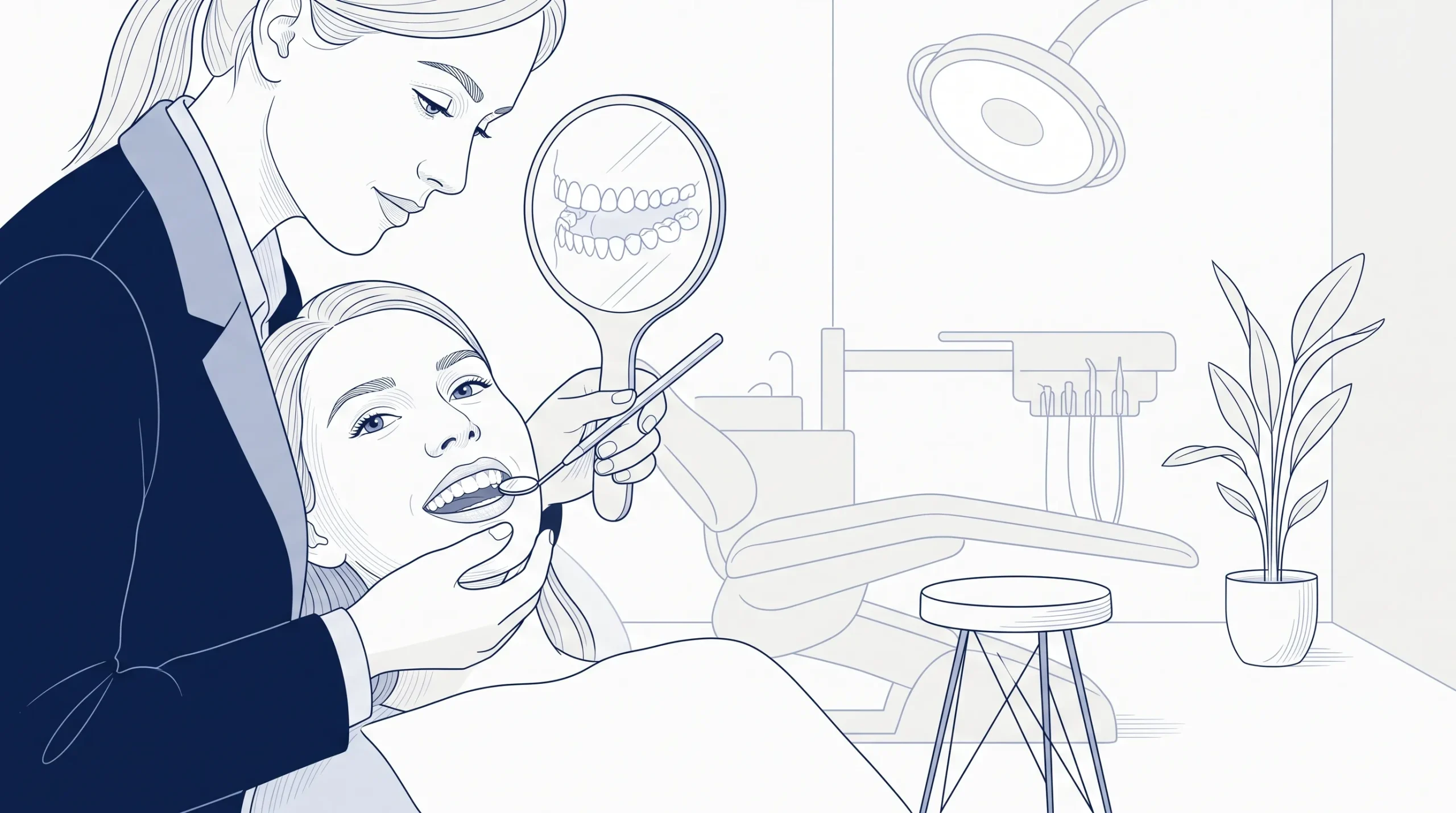
At a consultation, your dentist will usually ask about your concerns, dental history, medical history and what you have noticed changing over time. They may examine your teeth, gums, bite and jaw movement. X-rays, photographs or scans may be recommended if clinically needed to assess tooth roots, bone levels, restorations or alignment.
For a teeth smile concern, the discussion may include several points:
- Whether the issue is mainly cosmetic, functional or both
- Whether gum health, decay or tooth wear needs attention first
- Whether the bite is contributing to chips, wear or discomfort
- Which options may be suitable, unsuitable or worth monitoring
- What risks, limitations and maintenance needs apply
- Whether a written treatment plan or estimate is appropriate before you decide
All dental procedures carry potential risks and benefits. Results, recovery and treatment experiences vary between patients, so an individual assessment is needed before any recommendation can be made.
When to seek dental advice sooner
You do not need to wait until a concern becomes severe to ask a dentist about it. Early advice can be useful if you notice a tooth shifting, new chipping, increasing gaps, gum changes or difficulty biting comfortably.
Seek prompt dental care if you have facial swelling, dental trauma, severe pain, a broken tooth with sharp edges, signs of infection or bleeding that does not settle. These symptoms may need more urgent assessment than a routine cosmetic discussion.
If your concern is mainly about appearance and you are not in pain, it is still reasonable to arrange a non-urgent consultation. Your dentist can explain whether the change is normal, whether monitoring is enough or whether treatment options may be considered.
Frequently Asked Questions
Can my bite affect my teeth smile appearance? Yes, your bite can affect how teeth meet, wear and sit within the smile. It may contribute to uneven edges, chips or changes in tooth position, although a dentist needs to assess your mouth before identifying the cause.
Do uneven teeth always need treatment? No. Many uneven teeth are healthy and do not require treatment. Treatment may be discussed if there are functional concerns, cleaning difficulties, tooth wear, decay risk or cosmetic goals that can be addressed safely and appropriately.
Can veneers fix bite problems? Veneers may change the visible shape or surface of selected teeth, but they do not correct all bite problems. If bite pressure is contributing to wear or chipping, your dentist may discuss alignment, bite management or other options before considering veneers.
Is Invisalign suitable for every smile concern? No. Invisalign and other clear aligners may be suitable for some alignment concerns, but not all. Suitability depends on tooth movement required, gum and bone health, bite complexity, patient compliance and other individual factors.
Should I whiten my teeth before other cosmetic dental treatment? Sometimes whitening is planned before bonding, veneers or crowns so the final shade can be considered, but this depends on your treatment plan. Your dentist can advise on sequence after assessing your teeth and restorations.
Discussing your teeth, bite and smile with a dentist
A smile concern can have several possible causes, from tooth position and bite pressure to gum levels, missing teeth or previous dental work. The most useful first step is an assessment that looks at the whole mouth rather than one feature in isolation.
If you are in Melbourne and would like to discuss your teeth, bite or cosmetic dental options, you can arrange an appointment with Creative Smiles in Armadale. Your dentist can assess your oral health, explain suitable options and outline the potential benefits, risks, alternatives and maintenance needs before you make a decision.