Visiting Creative Smiles in Armadale usually begins with a conversation about what has brought you in, followed by an assessment that is appropriate for your appointment type. You may be attending for a general check-up, a cosmetic concern, a broken tooth, whitening, Invisalign, implants or simply to understand your options. The aim is to help you make informed decisions without pressure, with your oral health, preferences and individual circumstances taken into account.
Your first visit to Creative Smiles in Armadale
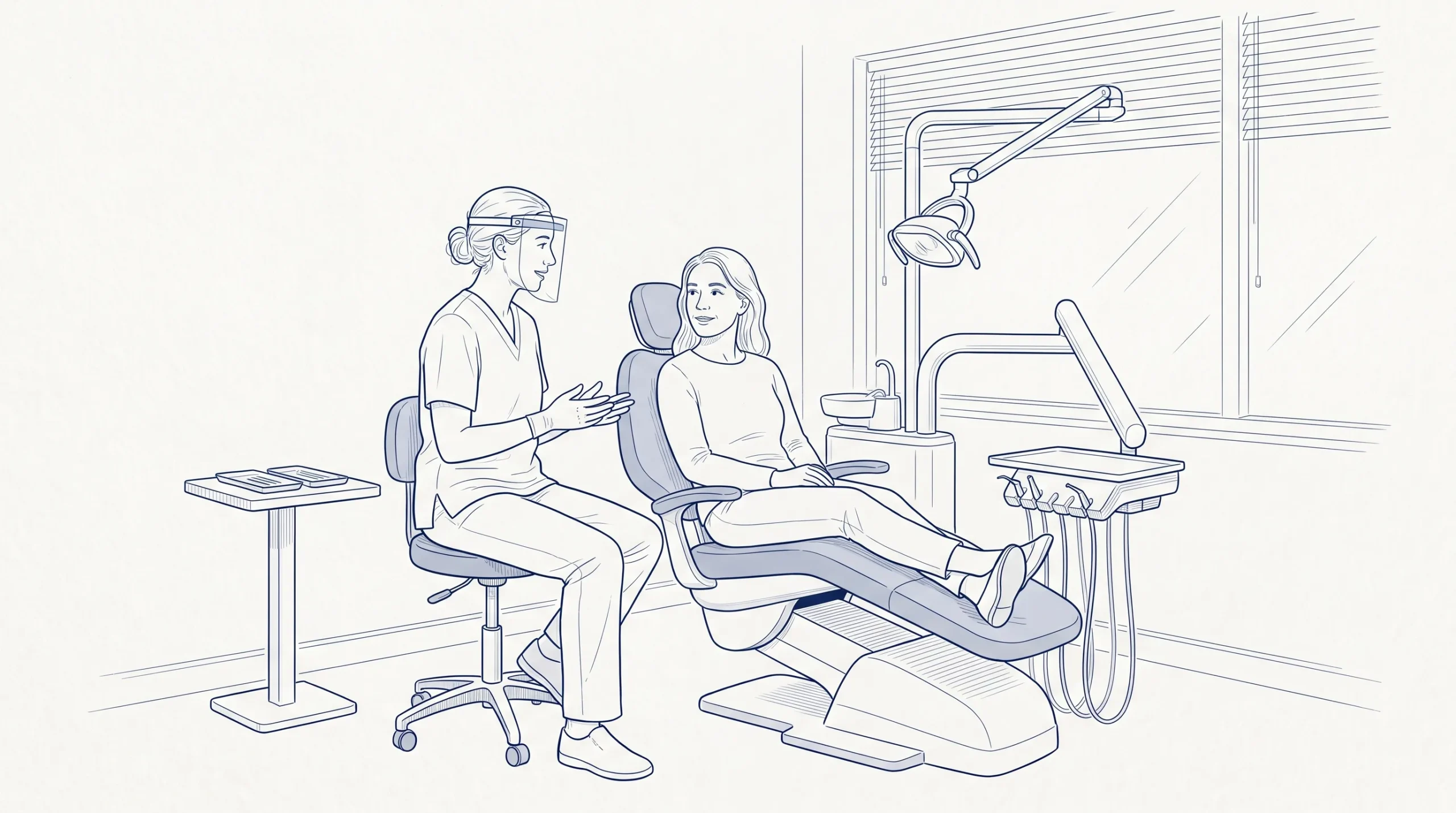
Your first appointment is a chance for the dental team to understand your concerns, dental history and any goals you may have. Some patients arrive with a clear issue, such as sensitivity or a chipped tooth. Others are unsure what is possible and want a calm explanation of their choices.
The aim at Creative Smiles is to assess your mouth as a whole rather than looking at one tooth in isolation. This may include your teeth, gums, bite, existing fillings, previous dental work and any symptoms you have noticed.
If treatment is recommended, your dentist should explain why, what alternatives may be available and what the likely next steps involve. No article can replace a personal dental examination, because suitability depends on factors such as your oral health, medical history, anatomy and treatment goals.
Before your appointment: what to bring and mention
A little preparation can make your visit easier. When you contact Creative Smiles, it is useful to mention whether you are booking for a routine appointment, cosmetic consultation, dental emergency or a specific treatment discussion.
Helpful information to bring or share includes:
- A list of current medications, allergies and relevant medical conditions
- Details of recent dental X-rays, scans or treatment, if you have them
- Your main concerns, such as pain, staining, crowding, worn teeth or missing teeth
- Any previous reactions to dental treatment, anaesthetic or sedation
- Health fund details, if you plan to use dental extras cover
If you feel nervous about dental care, it is reasonable to say so when booking. Many people delay dental visits because of anxiety, previous experiences or uncertainty about cost. Telling the team early helps them allow time to explain things clearly.
What happens during the appointment
The structure of your visit depends on why you are attending. A general examination is different from an Invisalign discussion, a teeth whitening consult or an emergency appointment for pain or swelling.
Your initial discussion
Your dentist will usually ask about your symptoms, concerns and expectations. For example, a cosmetic appointment may involve discussing tooth colour, shape, spacing or worn edges. A general appointment may focus more on gum health, decay risk, jaw comfort and maintenance.
At Creative Smiles, this discussion should help separate what you would like to change from what may be clinically appropriate. Sometimes the most suitable first step is a simple repair, oral hygiene care or monitoring rather than a cosmetic or restorative procedure.
Examination and records
Your dentist may examine your teeth, gums, bite and existing dental work. Depending on your situation, they may also recommend photographs, digital scans or dental X-rays. X-rays should only be taken when clinically justified, such as when the dentist needs to check areas that cannot be seen directly.
If you have pain, swelling, bleeding, trauma or a loose adult tooth, your appointment may focus on diagnosis and urgent care planning. If you have a broken tooth, this article on when to see a dentist in Armadale for a broken tooth explains signs that may need prompt professional assessment.
If you are visiting for cosmetic dentistry
Cosmetic dental care can include options such as whitening, bonding, veneers, crowns, Invisalign or replacement of missing teeth. These treatments are not suitable for every patient or every concern, so an oral health assessment comes first.
For cosmetic concerns, Creative Smiles may discuss what you would like to change, what is causing the concern and whether any underlying dental issues should be managed before elective treatment. For example, gum disease, tooth decay, active grinding or an unstable bite may affect whether a cosmetic option is appropriate.
All dental procedures carry potential benefits and risks. Cosmetic treatment can sometimes involve irreversible changes to teeth, maintenance over time, sensitivity, repairs or replacement in the future. Your dentist can explain these issues in relation to your mouth and your treatment choices.
If you are comparing providers, this guide on how to choose a cosmetic dental clinic in Melbourne covers practical questions about assessment, communication, costs and realistic expectations. If you have booked specifically to talk through cosmetic options, you may also find this overview of what happens at a free cosmetic dental consultation useful before you attend.
Common appointment types and what they may cover
Different appointments have different aims. The table below gives a general guide, but your dentist may adjust the appointment based on your symptoms and needs.
| Appointment type | Why you might book | What may be discussed |
|---|---|---|
| General dental check-up | You want a routine oral health review or have not seen a dentist for a while | Teeth, gums, bite, decay risk, home care and any recommended maintenance |
| Free cosmetic consultation | You want to understand cosmetic options | Concerns, oral health factors, possible treatment pathways and whether further assessment is needed |
| Teeth whitening consult | You are concerned about tooth colour or staining | Suitability, whitening options, sensitivity risk and realistic shade changes |
| Invisalign consultation | You want to discuss clear aligners | Tooth position, bite, treatment aims and whether aligners may be suitable |
| Emergency dental appointment | You have pain, swelling, trauma or a broken tooth | Immediate concerns, diagnosis, short-term care and follow-up options |
| Children’s dentistry | Your child needs a dental visit or preventive advice | Oral hygiene, growth, diet, habits and age-appropriate care |
| Implant or All-On-4 discussion | You are missing teeth or have failing teeth | Oral health, bone and gum factors, alternatives, risks and staged planning |
If you are interested in whitening specifically, this guide to a teeth whitening dentist appointment in Melbourne explains assessment, aftercare and possible side effects in more detail.
Understanding fees, payment plans and treatment choices
Costs vary because dental treatment is planned around your individual findings. A small filling, whitening appointment, Invisalign treatment, veneer, crown or implant procedure involves different materials, time, planning and maintenance.
Creative Smiles can discuss fees and available payment plan options before treatment proceeds. If there is more than one suitable option, your dentist should explain how those choices differ, including their purpose, limitations, maintenance needs and possible risks.
It is reasonable to ask for a written treatment plan for more involved care. You may also want to check with your health fund about rebates, waiting periods and annual limits. Dental extras cover varies between policies, so the clinic cannot determine exactly what your insurer will pay unless your fund provides that information.
If you feel nervous about dental treatment
Dental anxiety is common and can come from many causes, including past experiences, fear of discomfort, embarrassment or not knowing what will happen. You do not need to justify your concerns.
If anxiety affects your ability to attend, let the clinic know when booking. Your dentist can explain the appointment before starting, pause if you need a break and talk through options that may support your care.
Creative Smiles offers sleep dentistry, which may be discussed where clinically appropriate. Sedation is not suitable for everyone and requires consideration of your medical history, medications, the planned procedure and safety requirements. Your dentist can explain potential benefits, risks and alternatives before you decide whether it may be suitable.
Families and patients new to Melbourne
If you have recently moved to Armadale or elsewhere in Melbourne, finding a dental practice can be part of settling into local routines. Families may also need to coordinate appointments around school, work, transport and previous dental records.
For people planning a move from interstate or overseas, practical services that help with housing and school arrangements, such as relocation support for moving to Melbourne, may make it easier to organise healthcare appointments once you arrive.
When booking with Creative Smiles for the first time, you can ask whether previous dental records or X-rays would be useful. In some situations, recent records may reduce duplication, although your dentist will still need to assess your current oral health.
Questions you may want to ask your dentist
Asking questions is part of informed consent. You should feel able to understand what is being recommended and why before agreeing to treatment.
Useful questions include:
- What is causing my concern or symptom?
- Do I need treatment now or can it be monitored?
- What are my options, including doing nothing for now?
- What are the risks, limitations and maintenance needs?
- How many appointments may be involved?
- What costs should I expect before I decide?
- Are there alternatives that are more conservative?
These questions are especially helpful for elective cosmetic care, orthodontic treatment, implants and extensive restorative work. Treatment outcomes and experiences vary between patients, so your dentist should explain what is realistic for your circumstances.
After your appointment
After your visit, you may leave with preventive advice, a treatment plan, a referral for further imaging or a follow-up appointment. For simple concerns, the next step may be straightforward. For more complex care, planning may involve scans, photographs, impressions or staged appointments.
If treatment is recommended, take time to review the information. You can ask for clarification before making a decision, especially where a procedure is elective, irreversible or involves a significant cost.
If symptoms change after your appointment, such as worsening pain, swelling, fever, difficulty swallowing or facial swelling, contact a dentist promptly or seek urgent medical care if you are concerned about your general health.
Frequently Asked Questions
Do I need a referral to visit Creative Smiles? For many general and cosmetic dental appointments, patients commonly book directly. If a referral, previous records or imaging would be useful, the clinic can let you know when arranging your visit.
Will I receive treatment at my first appointment? It depends on the reason for your visit, your oral health findings and the type of treatment needed. Some issues may be managed on the day, while others require planning, consent, further records or a separate appointment.
Can I discuss cosmetic concerns during a general dental appointment? Yes, you can raise cosmetic concerns during a general visit. Your dentist may first assess your teeth, gums and bite to check whether any oral health issues should be addressed before elective treatment is considered.
What if I have not seen a dentist for several years? You can still book an assessment. Your dentist can review your current oral health, explain any findings and discuss options without assuming you need a particular treatment.
Are payment plans available? Creative Smiles offers payment plan options. The suitability of any payment arrangement depends on the treatment proposed and the terms of the provider, so it is best to ask for details during your appointment or when discussing your treatment plan.
Arranging an appointment in Armadale
If you are considering a general dental check-up, cosmetic consultation or assessment for a specific concern, you can arrange an appointment with Creative Smiles in Armadale. A dental examination can help determine what is happening, whether treatment is needed and which options may be appropriate for your individual circumstances.