If you are searching for composite resin bonding near me after noticing a small chipped tooth, bonding may be an option when the remaining tooth is healthy and the damaged area can support a repair. A dentist applies tooth-coloured resin, shapes it to replace the missing edge and hardens it with a dental light. However, a chip’s appearance alone does not tell you whether bonding is suitable. Your dentist also needs to check its depth, your bite and what caused it.
When a small chip may suit composite bonding
Composite resin is a tooth-coloured material used for fillings and some cosmetic repairs. For a small chip, it can sometimes be added just to the damaged area rather than covering the whole front of the tooth.
Your dentist will consider whether:
- Enough sound tooth remains to support the repair.
- Decay or an existing crack needs attention first.
- The repaired edge would receive heavy pressure when you bite.
- The chip affects comfort or function, or is something you would like to change.
A shallow chip in enamel, the hard outer surface of a tooth, may need only monitoring or gentle smoothing. Bonding may be considered when replacing the missing piece would offer a useful benefit. Cosmetic treatment is optional, and a small variation in tooth shape does not automatically need correction.
When comparing options for composite resin bonding near me, look for an assessment that explains whether any treatment is needed, not simply which repair can be offered.
When a chip needs more than a cosmetic assessment
A small-looking chip can sometimes extend into dentine, the layer beneath enamel, or occur alongside a deeper crack. Sensitivity, pain on biting or a change in how your teeth meet should be discussed with a dentist.
Arrange prompt dental advice after an injury, particularly if a tooth is loose, displaced or painful. Seek urgent medical care for a significant facial injury, uncontrolled bleeding or swelling that affects breathing or swallowing. Healthdirect’s guidance on dental injuries explains when professional care is needed.
Until the tooth is assessed, avoid biting hard foods with it and keep the area clean. Do not file the tooth yourself or use household glue to attach a broken piece. If you find the fragment, keep it and ask the dental team how to bring it to the appointment.
What an appointment for composite resin bonding near me should involve
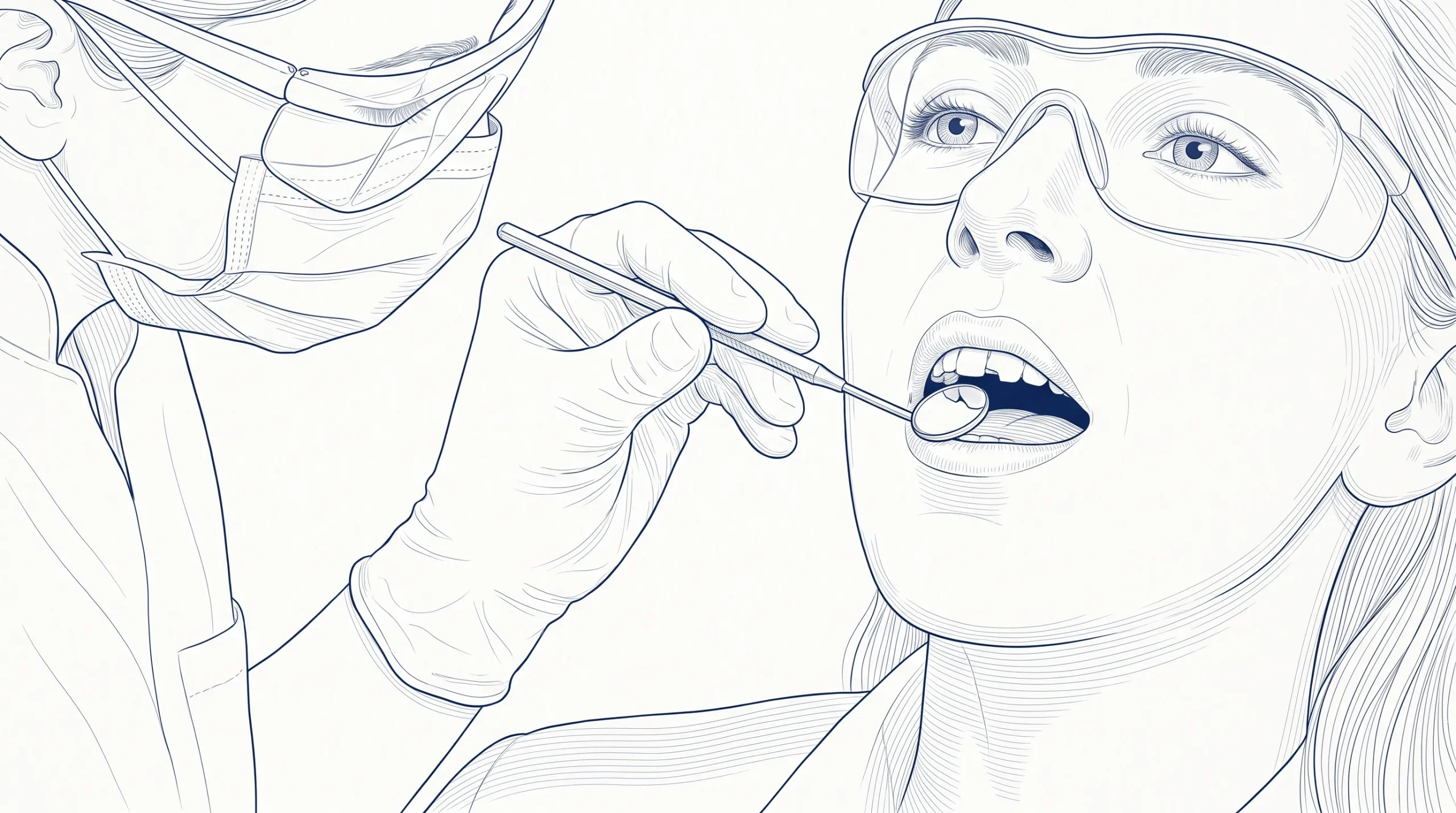
Checking the tooth and the cause
The dentist examines the chipped area, surrounding teeth and gums. They may check the tooth’s response to testing and recommend an X-ray if the injury or findings make one appropriate. Not every small chip requires imaging.
The cause matters. A one-off knock, biting a hard object and repeated tooth grinding can create different treatment needs. Adding resin without considering ongoing pressure may leave the repair vulnerable to another fracture.
Your dentist should explain the proposed treatment, alternatives, likely maintenance and fees before you decide. Our guide to questions to ask before composite treatment can help you prepare for that discussion.
Preparing, shaping and checking the repair
If bonding is appropriate, the dentist selects a shade and keeps the tooth isolated from moisture. The surface is conditioned and an adhesive is applied before the resin is placed. Small repairs can sometimes involve little or no removal of healthy tooth structure, although preparation varies.
The resin is shaped and hardened with a curing light, then refined and polished. The dentist checks the bite so the added material does not create an unwanted contact with the opposing tooth.
An appointment arranged after searching for composite resin bonding near me should also include advice about what to expect afterwards. Local anaesthetic may or may not be needed, depending on the chip’s depth, sensitivity and planned preparation. Treatment experiences vary, and discomfort cannot be ruled out.
Bonding is not the only option for a small chip
The most appropriate approach depends on the findings, not simply on how noticeable the chip is. A useful discussion includes what would happen if you chose not to have cosmetic treatment.
| Option | When it may be considered | Main limitation |
|---|---|---|
| Monitoring | A minor, stable chip causes no functional concern | It does not replace the missing tooth structure |
| Gentle smoothing | A very small rough edge can be adjusted conservatively | It removes some enamel and cannot rebuild an edge |
| Localised composite bonding | Missing tooth structure can be replaced with a supported resin repair | The material can stain, wear, chip or detach |
Veneers or crowns generally involve a different extent of treatment. They should not be assumed necessary for a tiny chip, although more extensive damage or existing restorations may change the options. A crown covers much of the visible tooth, while a veneer covers its front surface.
If repeated grinding or bite pressure contributed to the damage, your dentist may discuss how to manage that separately. A repair alone does not address every underlying cause.
Understanding maintenance and possible risks
Composite bonding is not permanent. How long a repair lasts depends on its size, position, the tooth’s condition, biting forces and daily habits. A thin repair on the biting edge of a front tooth may face different stresses from resin placed elsewhere.
Possible problems include sensitivity, staining, wear, roughness, chipping or separation from the tooth. Some repairs can be polished or repaired; others need replacement or a different approach. After an injury, the tooth itself may also need follow-up even if the repaired edge looks satisfactory.
If you are comparing composite resin bonding near me, ask about future maintenance as well as the initial appointment. A useful plan explains what to do if the repair feels high, becomes rough or breaks again.
Brush twice daily with fluoride toothpaste and clean between your teeth. Avoid using teeth to open packaging or bite fingernails, pens or other hard objects. Ask whether a sports mouthguard or management of grinding is relevant to your circumstances.
Food, drinks and exercise routines
Follow any eating advice given by your dentist, particularly if your mouth is still numb. Frequent acidic drinks, including some sports drinks, are also worth discussing because they can contribute to tooth erosion, the gradual loss of tooth surface through acid exposure.
If you work with a personal training and nutrition coaching service, sharing your dentist’s advice can help keep food and training plans consistent with any temporary restrictions. Fitness or nutrition coaching does not replace assessment of the chipped tooth.
Choosing a local appointment in Armadale
For patients in Armadale and the surrounding Melbourne area, location is useful for both the initial assessment and any follow-up. It should sit alongside clear explanations of suitability, alternatives and ongoing care.
A search for composite resin bonding near me may identify nearby practices, but it cannot establish which treatment your tooth needs. Ask whether the appointment includes examination of the chip and its cause, rather than a cosmetic discussion alone.
Cost also depends on more than the chip’s visible size. Preparation, isolation, shaping, bite adjustments and treatment of any underlying problem can affect the work involved. The explanation of how composite bonding prices are calculated in Melbourne covers these considerations. Request an individual quote and clarify what it includes before agreeing to treatment.
Frequently asked questions
Can a tiny chip be left untreated? Sometimes. If the tooth is healthy, the chip is stable and there is no functional concern, monitoring may be reasonable. A dentist needs to check it first, particularly after an injury.
Can bonding match the colour of my tooth? Resin comes in different shades and can be selected to blend with the tooth. The match depends on factors such as tooth colour, translucency and repair size. An invisible result cannot be guaranteed.
Does a bonded chip need a veneer later? Not necessarily. A repair may be maintained, polished or repaired again if appropriate. A veneer is a separate treatment decision, not an automatic next step.
What if the same edge keeps breaking? Repeated breakage warrants reassessment of the tooth, repair design and biting forces. Replacing the resin without checking the cause may not address the problem.
Discuss whether a repair is appropriate
To discuss a small chipped tooth, you can arrange an assessment with Creative Smiles in Armadale. An examination can help distinguish a minor edge chip from damage needing other care and clarify whether monitoring, smoothing or a restoration may suit your circumstances.