A chipped tooth can affect how a tooth looks, feels and functions. If you are looking into cosmetic dentistry chipped tooth options, the first step is to work out how deep the chip is, whether the tooth is cracked and whether the nerve or surrounding gum has been affected.
Small enamel chips may be managed with smoothing or tooth-coloured bonding. Larger chips may need a veneer, crown, onlay or other restorative treatment. If the chip happened after an injury, causes pain or leaves a sharp edge, it is sensible to arrange a dental assessment before focusing on appearance.
Cosmetic dentistry chipped tooth options: a quick overview
Cosmetic dentistry for a chipped tooth is not one single treatment. Your options depend on the size and location of the chip, how much natural tooth remains, your bite, your oral health and what you would like the tooth to look like.
The most commonly considered options include:
- Tooth smoothing or reshaping for very small chips or rough edges.
- Composite bonding using tooth-coloured resin to rebuild the missing area.
- Porcelain veneers for some front-tooth chips, especially where shape, colour or surface appearance are also concerns.
- Dental crowns when a tooth needs more coverage or strength.
- Inlays or onlays for some chipped back teeth, particularly where a cusp has fractured.
- Clear aligners or bite management if crowding, spacing or bite pressure is contributing to repeated chips.
Cosmetic treatment should be planned after a dentist has checked the health of the tooth. A chip that looks minor in the mirror may sometimes be connected to a crack, worn enamel, decay or an old filling. For a broader explanation of how oral health is assessed before appearance-focused treatment, Creative Smiles has discussed when cosmetic dental treatment may be considered.
When a chipped tooth may need prompt attention
Not every chipped tooth is an emergency, but some symptoms suggest the tooth should be assessed soon. Arrange dental care promptly if you notice:
- Ongoing pain or throbbing
- Sensitivity to cold, heat or biting pressure
- A chip caused by a fall, sporting injury or accident
- A loose tooth or a tooth that has moved position
- Bleeding from the gum or lip that is difficult to control
- Swelling of the gum, face or jaw
- A sharp edge cutting the tongue or cheek
- A large piece of tooth or filling has broken away
If you have facial swelling, fever or difficulty swallowing, seek urgent medical or dental advice. These symptoms can indicate a more serious infection or injury.
While waiting for an appointment, avoid chewing on the chipped tooth if it feels weak or sensitive. Do not use household glue or over-the-counter adhesive to reattach tooth fragments. If a piece of tooth has broken off, you can keep it clean and bring it to your appointment, although it may not always be possible or appropriate to reattach it.
Why the cause of the chip matters
A chipped tooth can happen from biting something hard, trauma, grinding, tooth decay, large fillings or gradual wear. Understanding the cause helps your dentist suggest a repair that has a better chance of coping with normal chewing forces.
For example, a tiny front-tooth chip caused by a one-off knock may be treated differently from a back tooth with a large old filling and a cracked cusp. Similarly, if several teeth have worn or chipped edges, your dentist may look at your bite, clenching habits or acid wear before recommending cosmetic treatment.
This is one reason a clinical examination matters. Cosmetic repair can improve the appearance of the chipped area, but if the underlying cause is not addressed, the repaired tooth may be more likely to chip again.
Option 1: smoothing or reshaping for minor chips
For a very small chip in enamel, the outer layer of the tooth, smoothing may be enough to remove a rough edge and improve the tooth’s outline. This approach is conservative because it usually involves minimal adjustment to the tooth.
Smoothing may be considered when the chip is shallow, there is no sensitivity and the tooth is otherwise healthy. It is not usually suitable for larger chips, teeth with cracks or situations where too much tooth structure has already been lost.
The limitation is that reshaping removes a small amount of enamel rather than adding material back. If a tooth is already short, thin or worn, another option may provide a more balanced result.
Option 2: composite bonding
Composite bonding uses tooth-coloured resin, shaped and hardened on the tooth, to rebuild a missing corner or edge. It is often considered for small to moderate chips on front teeth because it can be matched to the surrounding tooth shade and shaped directly in the mouth.
Bonding is generally more conservative than a veneer or crown because it may require little or no removal of healthy tooth structure, depending on the case. It can also be repaired in many situations if it chips or wears.
The trade-off is that composite resin is not as strong or stain-resistant as porcelain. It may need maintenance, polishing or replacement over time. People who grind their teeth, bite their nails or chew hard objects may place extra stress on bonded edges.
Option 3: porcelain veneers for front-tooth chips
A porcelain veneer is a thin ceramic covering placed over the front surface of a tooth. Veneers may be considered when a front tooth has a chip and there are also concerns about shape, shade, proportion or surface texture.
Veneers are not needed for every chipped tooth. They usually involve some tooth preparation and are more involved than direct bonding. Once tooth enamel has been removed, the decision is generally not reversible in the same way as a simple polish or small composite repair.
Your dentist will also consider bite forces, gum health, enamel thickness and whether the chip is mostly cosmetic or part of a deeper structural problem. If you are comparing bonding and veneers, this veneers treatment guide explains what veneer planning can involve and why suitability varies.
Option 4: crowns, onlays and stronger coverage repairs
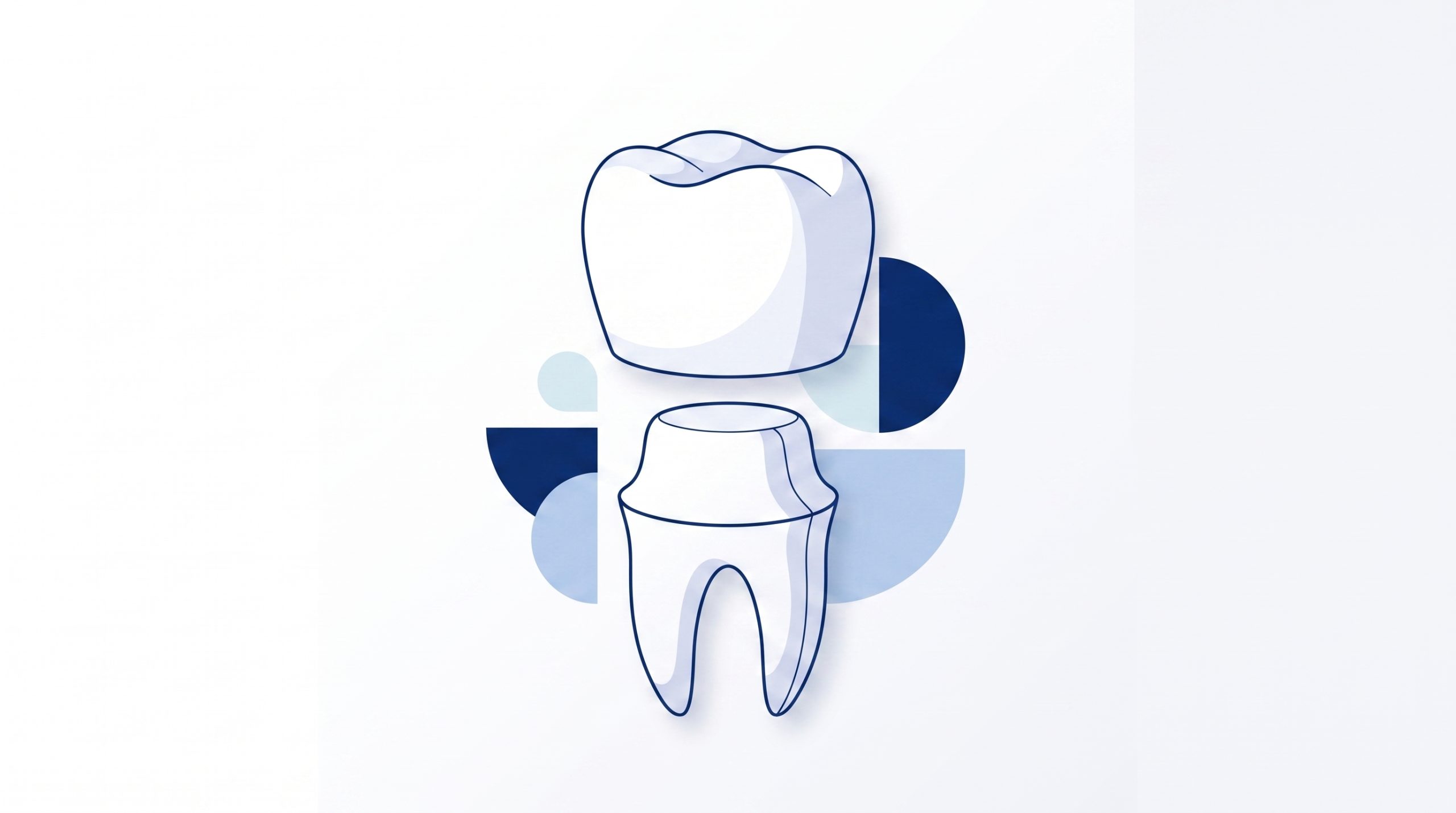
A dental crown covers the visible part of a tooth like a protective cap. It may be considered when a chip is large, the tooth has a significant filling, a cusp has fractured or the remaining tooth structure needs more support than bonding or a veneer can provide.
An onlay or inlay may be another option for some back teeth. These are custom-made restorations that replace part of the biting surface rather than covering the entire tooth. The choice between a crown, onlay, filling or another treatment depends on how much tooth remains and where the chewing forces are placed.
Crowns and onlays can be useful, but they are more invasive than smoothing or bonding. They require careful planning, and like all dental restorations, they can still chip, wear, loosen or need replacement in the future. Possible risks and limitations should be discussed before treatment begins.
| Option | Often considered for | Key limitations to discuss |
|---|---|---|
| Smoothing or reshaping | Tiny enamel chips or rough edges | Does not rebuild lost tooth structure |
| Composite bonding | Small to moderate chips, especially on front teeth | Can stain, chip or wear over time |
| Porcelain veneer | Some front-tooth chips with broader cosmetic concerns | Usually requires tooth preparation and may not suit heavy bite forces |
| Crown | Larger chips or structurally weakened teeth | More tooth preparation and future maintenance may be needed |
| Onlay or inlay | Some chipped back teeth | Suitability depends on the fracture pattern and remaining tooth |
When orthodontic or bite treatment may be part of the plan
Sometimes the visible chip is only one part of the issue. If teeth are crowded, edge-to-edge, unevenly spaced or under heavy pressure, a simple cosmetic repair may be more likely to wear or break.
In these cases, your dentist may discuss bite management, a protective night guard, orthodontic treatment or clear aligners. This does not mean everyone with a chipped tooth needs orthodontic care. It means the position of the teeth and the way they meet can influence which repair is appropriate.
Spacing can also affect cosmetic planning. If a chip sits beside a gap, closing the gap with bonding or veneers may change tooth proportions, while orthodontic movement may take longer but preserve more natural tooth structure in some cases. For related context, this overview of options for closing gaps between teeth compares aligners, bonding, veneers and crowns.
What if the chip has reached the nerve?
Inside each tooth is the pulp, which contains nerves and blood vessels. If a fracture is deep enough to expose or irritate the pulp, cosmetic repair alone may not be enough. The tooth may need additional treatment before it can be restored.
Signs that the pulp may be involved include lingering pain, sensitivity that does not settle, pain when biting or a visible pink or dark area inside the broken tooth. These signs do not confirm a diagnosis by themselves, but they are reasons to arrange an assessment.
Depending on the findings, your dentist may discuss a filling, crown, root canal treatment or, in more severe cases, whether the tooth can be saved. If a tooth is not restorable, replacement options may be considered later. The priority is to assess the tooth properly before deciding on cosmetic appearance.
Matching colour: why whitening may come before repair
If you are planning to whiten your teeth as well as repair a chip, the order matters. Natural enamel can change shade with whitening, but composite bonding, veneers and crowns do not whiten in the same way.
For that reason, some patients choose to whiten first, then have bonding or ceramic work colour-matched afterwards. This is not necessary for everyone. If the chipped tooth already matches your other teeth and you are not considering whitening, repair can be planned around your current shade.
Your dentist can explain whether whitening is suitable for your oral health and whether it may affect the timing of your chipped tooth repair.
How a chipped tooth assessment usually works
An assessment for a chipped tooth is about more than choosing a material. Your dentist needs to check whether the tooth is healthy enough for the treatment being considered and whether other dental concerns could affect the outcome.
Your appointment may include:
- A discussion about how and when the chip happened
- Checking for pain, sensitivity or bite changes
- Examining the tooth, surrounding teeth and gums
- Looking for cracks, decay, wear or old filling breakdown
- X-rays if the dentist needs to assess deeper tooth structure or the root
- Shade selection and photos where cosmetic planning is needed
- A discussion of suitable options, risks, alternatives and likely maintenance
This process helps avoid choosing a cosmetic option that looks reasonable at first but does not suit the tooth’s condition. It also gives you time to ask questions about cost, materials and how much tooth preparation may be involved.
How to compare your options without feeling rushed
It is reasonable to ask for a clear explanation before deciding on treatment. A good comparison should cover how much natural tooth is affected, whether the treatment is additive or involves preparation, how the restoration may wear and what future maintenance could look like.
Cost can vary depending on the tooth, material, complexity and whether laboratory-made work is needed. Rather than relying on a general online estimate, ask for a written treatment plan after your examination. If you are researching fees in Victoria, this guide to whether cosmetic dentistry is expensive in Melbourne outlines why prices can differ between treatments.
All dental procedures carry potential risks and benefits. These may include sensitivity, changes to the bite, gum irritation, restoration chipping, colour mismatch over time or the need for future replacement. Your dentist can explain which risks are most relevant to your tooth and the option being considered.
Can a chipped tooth be prevented from chipping again?
Not all chips can be prevented, but the risk may be reduced in some situations. If you play contact sport, a professionally fitted mouthguard may be recommended. If you clench or grind, your dentist may discuss a night guard or other bite-related management.
Everyday habits matter too. Chewing ice, opening packaging with your teeth, biting fingernails or holding pins and pens between the teeth can place unnecessary force on enamel and restorations. Regular dental checks can also help identify cracked fillings, tooth wear or decay before a larger piece breaks away.
Prevention should be tailored to the reason your tooth chipped. A sports injury, a cracked filling and grinding-related wear are different problems, so they may call for different approaches.
Frequently asked questions
Can cosmetic dentistry repair a chipped front tooth? In many cases, a chipped front tooth can be repaired or improved with options such as smoothing, composite bonding, a veneer or a crown. The suitable choice depends on the depth of the chip, tooth health, bite forces and your preferences.
Is composite bonding suitable for a chipped tooth? Composite bonding may be suitable for small to moderate chips, particularly on front teeth. It is not always suitable for large fractures, cracked teeth or teeth under heavy bite pressure. A dentist needs to assess the tooth first.
Do veneers work for chipped teeth? Veneers may be considered for some chipped front teeth, especially where shape, colour or surface appearance are also being addressed. They are not the most conservative option for every chip and usually involve some tooth preparation.
Will a chipped tooth get worse if I leave it? Some small enamel chips remain stable, but others can become more sensitive, rough, cracked or affected by decay. A dental examination can help determine whether monitoring, smoothing or repair is appropriate.
What should I do if my chipped tooth hurts? Avoid chewing on that tooth and arrange a dental assessment. Pain, swelling, lingering sensitivity or a chip caused by trauma may need prompt care, as cosmetic repair may not be the first priority.
Discussing chipped tooth options in Armadale
If you have a chipped tooth and would like to understand your cosmetic and restorative options, an individual assessment can help determine what may be appropriate for your circumstances. The team at Creative Smiles in Armadale can assess the tooth, explain the potential benefits and limitations of different treatments and discuss costs before you decide how to proceed.
Treatment outcomes and experiences vary between patients, so the right option depends on your oral health, bite, medical history and goals. Contact Creative Smiles to arrange an assessment in Armadale if you would like tailored advice for a chipped tooth.