A veneers appointment is mainly about understanding your teeth, your goals and whether veneers may be a suitable option for your circumstances. You do not need to arrive with all the answers. It is more useful to come prepared with your questions, dental history, budget considerations and a clear idea of what you would like to discuss.
Veneers are thin coverings placed over the front surface of teeth to change aspects such as colour, shape, size or minor spacing. They may be made from porcelain or composite resin. Because veneers involve your natural teeth, and in some cases removal of a small amount of enamel, a dentist needs to assess your oral health before recommending treatment.
This guide explains how to prepare for a veneers appointment in Melbourne, what may happen during the visit and what to ask before making a decision.
Before your veneers appointment: what to prepare
Preparing well can help your dentist understand what matters to you and can make the consultation more practical. The aim is not to choose treatment before you arrive, but to give your dentist enough information to assess your options properly.
Start by thinking about what you would like to change. For example, you may be concerned about chips, uneven edges, staining that has not responded to whitening or the overall shape of certain teeth. Try to be specific. Saying “I do not like the colour of these two front teeth” is more useful than a general statement that you want everything changed.
It can also help to write down any past dental treatment. This might include fillings, crowns, root canal treatment, orthodontic treatment, previous bonding or teeth whitening. If you have seen another dentist recently and have X-rays or records available, ask whether these can be transferred before your appointment.
You may also want to prepare:
- A list of medications, supplements and relevant medical conditions
- Details of allergies, including latex or medication allergies
- Information about teeth grinding, jaw clenching or jaw joint discomfort
- Photos that show what you like or dislike about tooth shapes or shades
- Questions about cost, timing, maintenance and alternatives
Photos can be a useful conversation starter, but they should not be treated as a template. Tooth colour, gum shape, facial features, bite and enamel thickness all influence what may be achievable or appropriate.
If you are still learning about the treatment, Creative Smiles has a broader veneers treatment guide that explains the general process and common considerations.
Know which type of veneers appointment you are booking
Not every veneers appointment involves the same steps. A first consultation is different from a treatment planning visit, a tooth preparation appointment or a review. If you are unsure which one you have booked, call the practice and ask what to expect.
| Appointment type | What it usually focuses on | How to prepare |
|---|---|---|
| Initial consultation | Discussing your concerns, examining your teeth and considering options | Bring questions, dental history and any relevant records |
| Treatment planning visit | Refining the proposed plan, shade, number of teeth and materials | Ask about alternatives, risks, costs and expected maintenance |
| Tooth preparation visit | Preparing teeth if required and taking impressions or scans | Follow pre-appointment instructions, especially if sedation is involved |
| Fitting or placement visit | Checking fit, appearance and bite before bonding veneers | Allow time for careful checks and ask questions before final placement |
| Review visit | Checking comfort, bite, gums and cleaning around veneers | Mention sensitivity, roughness, bite changes or cleaning concerns |
Some patients only need a consultation to explore whether veneers are appropriate. Others may need treatment for gum health, decay, bite concerns or alignment before cosmetic work is considered.
What your dentist may check before recommending veneers
A dentist should not recommend veneers based on appearance alone. Veneers sit on teeth that need to be healthy enough to support them. Your appointment may include an examination of your teeth, gums, bite and existing dental work. X-rays, photographs, digital scans or impressions may be recommended if they are clinically appropriate.
Your dentist may assess:
- Gum health: Inflamed or bleeding gums may need attention before veneers are planned.
- Tooth structure: Enamel thickness and existing fillings can affect whether veneers are suitable.
- Decay or cracks: Active dental disease usually needs to be managed first.
- Bite and grinding habits: Heavy grinding or clenching can increase the risk of chipping or debonding.
- Tooth position: Significant crowding, rotation or spacing may mean orthodontic treatment should be discussed.
- Colour goals: Veneers can change the visible shade of treated teeth, but shade selection needs to consider neighbouring teeth.
A clinical assessment is important because cosmetic concerns can have different causes. A dark tooth may be stained, previously traumatised, heavily restored or affected by internal changes. Each situation may require a different approach.
For a more detailed overview of the dental factors that may be assessed, read what to know about your teeth before veneers.
Be ready to discuss alternatives, not only veneers
A good veneers appointment should include a balanced discussion of options. Veneers may be considered for some concerns, but they are not the only cosmetic dental treatment available.
Depending on your teeth and goals, your dentist may discuss whitening, composite bonding, orthodontic treatment such as clear aligners, crowns or no treatment. In some cases, a smaller or more conservative option may be appropriate. In other cases, veneers may not be recommended until oral health concerns are managed.
This is especially relevant if your main concern is colour. Teeth whitening may be considered before veneers if you want untreated teeth to be lighter as well. Once porcelain veneers are made, their shade generally cannot be changed with whitening products, so timing matters.
If your concern is minor chipping or uneven edges, composite bonding may be discussed. Bonding usually involves adding tooth-coloured resin to the tooth surface. It may be less invasive in some cases, but it can stain or wear over time and may need maintenance. Porcelain veneers may have different aesthetic and material properties, but they can involve more planning and tooth preparation.
There is no single option that suits everyone. Your dentist can explain potential benefits, limitations and risks in the context of your oral health.
Questions to ask at your veneers appointment
It is normal to forget questions once you are in the dental chair. Bringing a short list can make the appointment easier.
Consider asking:
- Am I a suitable candidate for veneers, or are there concerns that need attention first?
- Would porcelain veneers, composite veneers or another option be more appropriate for my situation?
- How many teeth are being considered and why?
- Will any enamel need to be removed?
- What are the potential risks, including sensitivity, chipping, debonding or gum irritation?
- What maintenance will be needed at home and during dental visits?
- How might teeth grinding or clenching affect the result?
- What happens if a veneer chips, comes loose or needs replacement in future?
- Can I receive a written treatment plan and itemised quote before deciding?
If you feel unsure, ask for time to consider the information. Cosmetic dental treatment is usually elective, so you should be able to make a decision after understanding the options, costs, risks and likely maintenance.
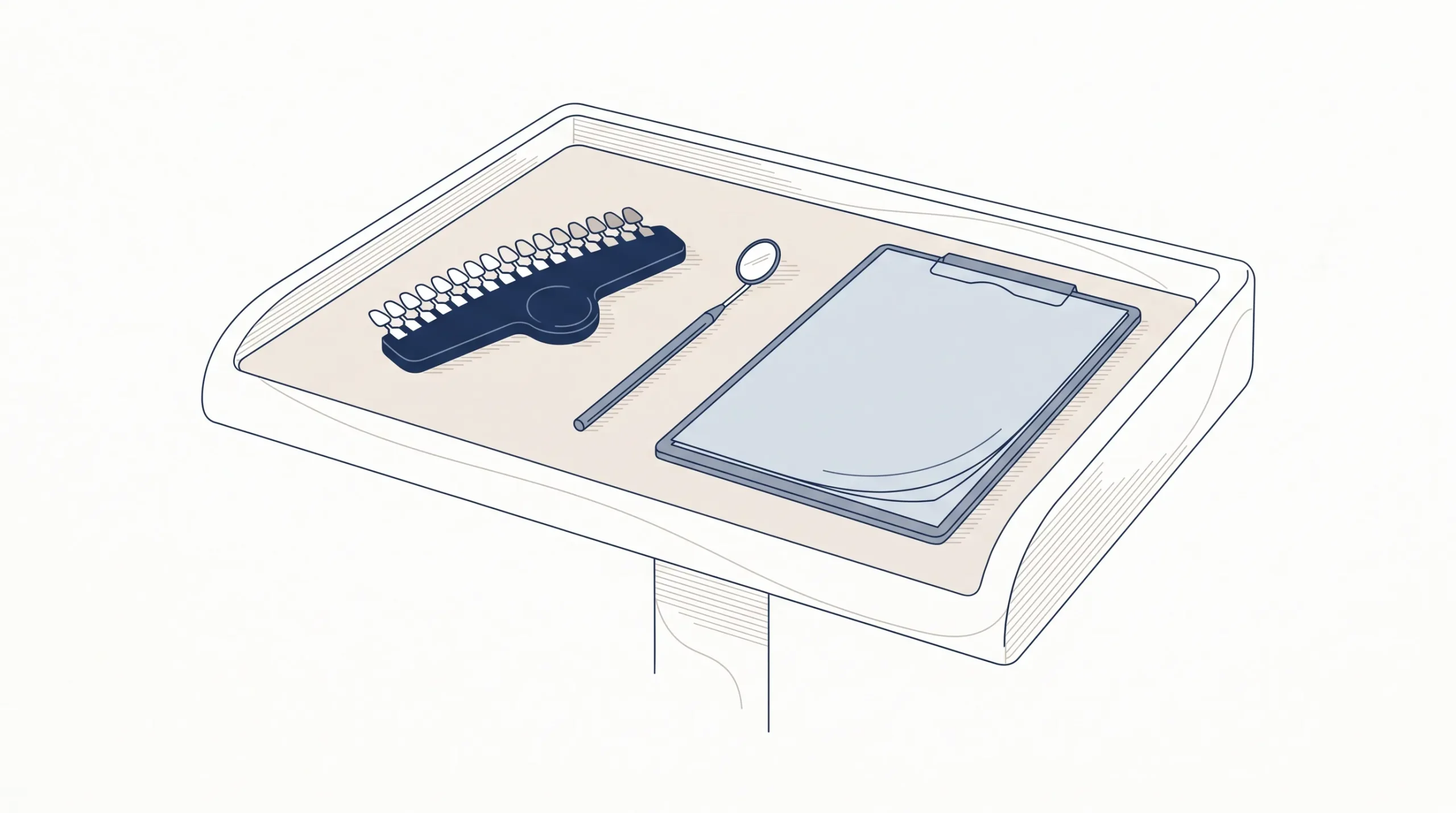
Preparing for cost and payment discussions
Veneer costs can vary because treatment plans vary. The number of teeth, material choice, laboratory work, tooth preparation, preliminary dental care and review appointments can all affect the overall fee. Rather than relying on a general estimate, ask for a written quote based on your individual treatment plan.
Useful cost questions include whether the quote covers planning, temporary restorations if needed, final placement, reviews and any related treatments. You can also ask whether item numbers are available for private health insurance claims, noting that rebates depend on your fund and level of cover.
Creative Smiles offers payment plans, but your dentist or treatment coordinator can explain the current options and what they include. If you are comparing treatment with other financial priorities, it may also be sensible to seek independent guidance from qualified tax and accounting services in Australia for broader budgeting or tax questions. Dental staff can explain treatment fees, but they cannot provide personal financial advice.
For more detail on the factors that influence fees, you may find this article on what affects the price of teeth veneers helpful before your consultation.
How to prepare on the day of your appointment
For a consultation, you can usually follow your normal routine. Brush and floss as usual, bring your questions and arrive with enough time to complete any forms. If you wear a night guard, retainer, aligner or removable appliance, bring it with you. These can help your dentist understand your bite history and any grinding protection already in use.
If your appointment involves treatment rather than an initial consultation, follow the specific instructions provided by the clinic. This is particularly important if sedation has been discussed, because fasting, transport and consent requirements may apply. Do not assume you can drive afterwards if sedation is planned. Ask the practice beforehand.
If you are unwell, have a cold sore, develop dental pain or notice swelling before your appointment, contact the clinic for advice. Your appointment may need to be adjusted depending on the situation.
What not to do before a veneers consultation
You do not need to whiten your teeth, start new dental products or decide on a final shade before your first consultation. In fact, whitening at the wrong time can make shade planning more difficult, especially if not all teeth are being treated.
Avoid making irreversible decisions based only on online images. Before-and-after photos can show examples of dental work, but they cannot predict your result. Lighting, tooth shape, gum levels, dental health and photography conditions all affect how images look. They also do not show the full clinical picture behind the treatment.
It is also worth avoiding firm assumptions about how many veneers you need. Some patients ask about two front teeth, then discover that shade matching with neighbouring teeth is a key issue. Others assume they need many veneers when a smaller treatment plan may be discussed. Your dentist can explain the reasoning after examining your teeth.
Understanding risks and limitations before you decide
All dental procedures have potential benefits and risks. Veneers may help improve the appearance of selected teeth, but outcomes and experiences vary between patients. They also require ongoing care.
Possible limitations and risks can include tooth sensitivity, changes to bite feel, gum irritation, veneer chipping, debonding, colour mismatch, the need for future repair or replacement and difficulty achieving a desired appearance if underlying tooth or gum conditions are present. If enamel is removed, that change is not reversible.
Veneers also do not make teeth immune to decay or gum disease. You still need regular brushing, flossing or interdental cleaning and dental examinations as advised for your situation. If you grind your teeth, a protective night guard may be discussed, although it cannot remove all risk of damage.
A careful consultation should give you a realistic understanding of what veneers may and may not do for your teeth.
When to delay or reconsider veneers
There are times when it may be better to delay cosmetic treatment. Active decay, untreated gum disease, unstable bite problems or ongoing dental pain usually need assessment and management first. If you are in the middle of orthodontic treatment, pregnant, managing complex medical concerns or taking medications that affect oral health, your dentist may need to adapt the timing or plan.
You should also feel comfortable asking questions and taking time to decide. If you feel pressured or unclear about the treatment, costs or risks, it is reasonable to ask for more information or seek another opinion.
For general oral health information written for Australian patients, the Australian Dental Association’s consumer website Teeth.org.au is also a useful resource.
Frequently asked questions
How long does a veneers appointment take? Appointment length varies depending on whether it is a consultation, planning visit or treatment appointment. When booking, ask what type of appointment it is and how much time to allow.
Do I need X-rays before veneers? Your dentist may recommend X-rays if they are needed to assess tooth roots, bone levels, decay, existing restorations or other concerns. They are not taken simply for appearance and should be based on clinical need.
Should I whiten my teeth before a veneers appointment? Do not start whitening just before your appointment unless your dentist has advised it. Whitening can affect shade planning, especially when veneers will be matched to untreated teeth.
Can I get veneers if I grind my teeth? Teeth grinding does not automatically rule out veneers, but it can increase the risk of chipping or damage. Your dentist can assess your bite and discuss protective options or alternative treatments.
Will veneers suit everyone? No. Suitability depends on factors such as enamel, gum health, bite, tooth position, medical history, treatment goals and existing dental work. An individual assessment is needed before treatment can be recommended.
Arranging a veneers appointment in Armadale
If you are considering veneers, a consultation can help clarify whether they may be suitable and what other options may be available. Your dentist can assess your teeth and gums, explain potential benefits and risks and provide a treatment plan if appropriate.
To discuss your concerns, you can arrange a veneers appointment with Creative Smiles in Armadale, Melbourne. A clinical assessment is the most useful starting point before deciding whether veneers, another cosmetic option or no treatment is right for your circumstances.