Yes, veneers can make teeth look whiter, but they do it differently from teeth whitening. If you are considering veneers for whiter teeth, the key point is that veneers do not bleach your natural teeth. They cover the visible front surface of selected teeth with a thin layer of porcelain or composite resin, so the final colour comes from the veneer material, the underlying tooth and the treatment plan.
For some people, veneers may help create a brighter and more even tooth appearance. For others, whitening, bonding, orthodontic treatment or addressing oral health issues first may be more appropriate. A dental assessment is needed before deciding which option suits your teeth, gums, bite and goals.
How veneers make teeth appear whiter
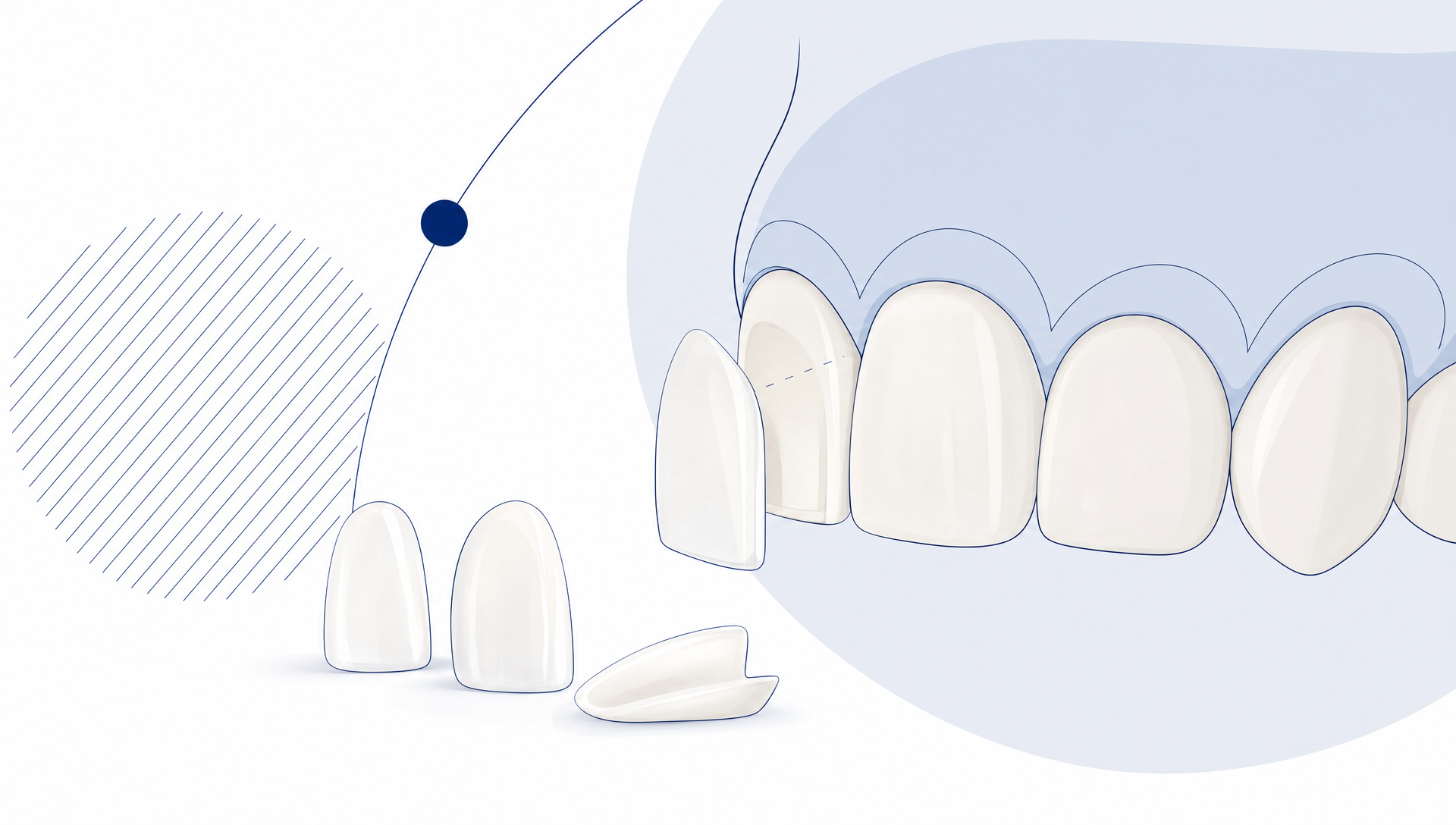
A dental veneer is a thin restoration placed over the front of a tooth. It can be used to alter the visible colour, shape, size or surface texture of a tooth. Veneers are commonly made from porcelain or composite resin.
When veneers are used for colour improvement, your dentist plans the shade with you. The goal is usually to choose a shade that looks balanced with your face, gums, lips and any teeth that will not be veneered. A very bright shade may not suit every mouth, especially if only a few teeth are being treated.
Veneers can help mask some types of discolouration, including stains that do not respond well to whitening. They may also be considered when colour concerns are combined with other issues, such as worn edges, old fillings, small chips or uneven tooth shape. If you are new to the treatment, this guide to what veneers are and how they work explains the basics in more detail.
When veneers for whiter teeth may be considered
Veneers may be considered when the concern is not just tooth colour. Teeth whitening can only change the colour of natural tooth structure. It will not change the colour of porcelain crowns, composite fillings, bonding or veneers already in the mouth.
Veneers may be discussed if you have:
- Deep internal discolouration that has not improved enough with whitening
- Old visible fillings on front teeth that affect colour and shape
- Uneven tooth surfaces that catch stain or light differently
- Chipped, worn or irregular tooth edges
- A desire to address colour and shape together
That does not mean veneers are necessary for every tooth colour concern. Many people may be better suited to whitening first, especially when the teeth are healthy, well aligned and mainly affected by surface or age-related yellowing.
Veneers vs teeth whitening: which is more suitable?
Teeth whitening and veneers are often discussed together, but they serve different purposes. Whitening lightens natural tooth enamel and dentine using whitening agents. Veneers cover selected tooth surfaces with a new restorative material.
A useful way to think about the difference is whether the main concern is only colour, or colour plus shape, texture or existing restorations. For a broader comparison of whitening and other cosmetic options, this article on where teeth whitening fits within cosmetic dentistry explains why a dental assessment matters before choosing treatment.
| Concern | Whitening may help when | Veneers may be considered when |
|---|---|---|
| General yellowing | The teeth are natural and otherwise healthy | A lighter shade is wanted along with shape changes |
| Stains inside the tooth | The stain responds to whitening | The stain is resistant or uneven |
| Old fillings or crowns | Whitening will not change their colour | Replacement or veneers may be needed for shade matching |
| Chipped or worn edges | Whitening will not repair tooth structure | Veneers may alter colour and edge shape |
| Uneven tooth size or shape | Whitening only changes colour | Veneers may alter visible proportions |
Some treatment plans involve whitening before veneers. This can help bring the surrounding natural teeth to a suitable shade before the veneer shade is selected. Whitening after veneers will not lighten the veneer material, so timing matters.
The shade decision is more detailed than “how white?”
Choosing a veneer shade is not simply a matter of picking the brightest option. Tooth colour has depth, translucency and subtle variation. Natural teeth are usually slightly different in shade near the gum compared with the biting edge.
Your dentist may assess:
- The colour of teeth that will not be treated
- Skin tone, lip shape and gum display
- The thickness and opacity needed to mask discolouration
- Whether one tooth or multiple teeth are being treated
- How the veneers will look in different lighting
A shade that looks bright on a shade guide may appear too strong in the mouth if it does not match the surrounding teeth. On the other hand, a carefully planned lighter shade may look natural when several visible teeth are treated together.
How many veneers are needed for a whiter look?
The number of veneers depends on which teeth are visible when you speak and smile, as well as the shade difference between treated and untreated teeth. Some people only need one veneer to improve a dark or damaged tooth. Others may discuss several veneers across the front teeth to create a more even appearance.
Treating only one or two teeth can be more challenging when the goal is a lighter result, because the veneer must blend with neighbouring natural teeth. If the selected shade is much lighter than the surrounding teeth, the difference may be noticeable.
This is one reason treatment planning is important. Before recommending veneers, your dentist needs to assess oral health, enamel thickness, bite forces, gum health and existing restorations. Creative Smiles has a separate article on what to know about your teeth before veneers if you would like to understand what is usually checked before treatment.
Porcelain veneers and composite veneers: does material affect whiteness?
Both porcelain and composite resin can be used to change the visible colour of teeth, but they behave differently.
Porcelain veneers are made outside the mouth and bonded to the teeth. They can offer a highly controlled shade and surface finish. Porcelain tends to resist surface staining better than composite resin, although it still needs regular care and professional review.
Composite veneers are made from tooth-coloured resin, often applied directly to the teeth. They can usually be completed with less laboratory involvement and may require less tooth preparation in some cases. Composite can stain or wear over time, so maintenance and possible repair may be part of long-term care.
Neither material is automatically better for every person. Suitability depends on tooth condition, bite, aesthetic goals, budget, maintenance expectations and the amount of tooth structure available. If you are comparing these options, this Creative Smiles article on the difference between veneers and bonding may help clarify the main distinctions.
Why whitening is sometimes done before veneers
Whitening before veneers may be recommended when natural teeth around the veneers will remain visible. Since veneers do not change colour after they are placed, your dentist may want to stabilise the shade of the surrounding teeth first.
This can help avoid a situation where natural teeth are whitened later and become lighter than the veneers, or where the veneers are made too dark because the nearby teeth were not yet at their final shade.
Whitening is not suitable for everyone. It may not be recommended if there is untreated decay, gum disease, tooth sensitivity, exposed root surfaces or certain dental restorations. Your dentist can assess these factors and explain whether whitening, veneers or another approach may be appropriate.
What if one tooth is darker than the others?
A single dark front tooth can be caused by several factors, including previous trauma, old dental work, root canal treatment or internal staining. A veneer may be one option, but it is not the only possibility.
Depending on the cause, your dentist may discuss internal bleaching, a crown, replacement of an old filling, composite bonding or no treatment if the tooth is healthy and the concern is mild. If the tooth has changed colour suddenly or is associated with pain, swelling or a history of trauma, it should be assessed promptly.
A dark tooth needs diagnosis before cosmetic planning. Covering a tooth with a veneer without understanding the reason for discolouration may miss an underlying dental issue.
What happens at a veneers consultation?
A consultation for veneers usually focuses on both appearance and dental health. The dentist will examine your teeth and gums, review your bite and ask about your goals. X-rays, photographs or scans may be recommended where clinically appropriate.
Your appointment may include discussion of:
- Whether the teeth and gums are healthy enough for cosmetic treatment
- Whether whitening should be considered first
- How veneer shade and translucency may be selected
- Whether porcelain, composite or another treatment is more suitable
- Potential risks, maintenance needs and alternatives
- Likely stages of treatment for your circumstances
For porcelain veneers, some tooth preparation may be required. This can involve removing a thin layer of enamel, which is generally not reversible. Temporary veneers may be used in some cases while final veneers are being made. Composite veneers may sometimes involve less preparation, but this depends on the tooth position and the desired result.
Risks and limitations to understand
Veneers can be a useful cosmetic dental option, but they are still dental procedures. All dental procedures carry potential risks and benefits, and outcomes vary between patients.
Possible limitations and risks include:
- Tooth sensitivity, especially after preparation
- Gum irritation during or after treatment
- Chipping, cracking or debonding of veneer material
- Shade mismatch with untreated teeth over time
- The need for repair or replacement in future
- Unsuitability if there is active decay, gum disease or heavy grinding
If you grind or clench your teeth, your dentist may discuss a night guard or other ways to protect restorations. If there is crowding or bite imbalance, orthodontic treatment such as clear aligners may be discussed before cosmetic work. The aim is to plan treatment around the health and function of your teeth, not just the final shade.
How to keep veneers looking lighter for longer
Veneers still need daily care. While porcelain is more stain resistant than natural enamel, the edges of veneers, surrounding teeth and gums can still be affected by plaque, staining and wear.
Helpful habits include brushing twice daily with fluoride toothpaste, cleaning between the teeth, attending dental check-ups as recommended and avoiding using teeth to open packaging or bite hard objects. If you drink coffee, tea or red wine often, your natural teeth may stain around the veneers, which can affect the overall appearance.
Professional maintenance is also important. Your dentist can check the veneer margins, gum health and bite, and monitor whether repairs or polishing are needed.
Are veneers the only way to make teeth look whiter?
No. Depending on the cause of colour concern, other options may be simpler, less invasive or more suitable. These may include professional cleaning, whitening, replacing old fillings, composite bonding, crowns, orthodontic treatment or a combination of treatments.
Sometimes the most appropriate plan is conservative. For example, if the tooth colour is caused by surface staining and the teeth are otherwise healthy, a clean and whitening discussion may be a reasonable first step. If the concern involves tooth wear, gaps or old restorations, veneers may be part of the conversation.
The right option depends on what is causing the colour concern and what you are hoping to change. A clinical assessment is the safest way to understand the available choices.
Frequently Asked Questions
Can veneers make yellow teeth look whiter? Veneers can make selected teeth appear whiter by covering the visible front surface with porcelain or composite material. Suitability depends on the cause of yellowing, tooth health, enamel, bite and the number of teeth being treated.
Do veneers whiten natural teeth? No. Veneers do not bleach or chemically whiten the natural tooth. They change the visible appearance by placing a restorative layer over the tooth surface.
Should I whiten my teeth before getting veneers? Sometimes whitening is considered before veneers, especially if nearby natural teeth will remain visible. Your dentist can assess whether whitening is suitable and when it should be done in the treatment sequence.
Can veneers stain? Porcelain veneers tend to resist surface staining better than composite resin, but veneers and surrounding teeth still need regular care. Composite resin may stain or wear more noticeably over time.
Will veneers look too white? They do not have to. Shade selection is part of treatment planning, and many patients prefer a natural-looking brightness rather than the lightest shade available. The final appearance depends on material, shade, translucency, tooth shape and the surrounding teeth.
Are veneers suitable for everyone? No. Veneers may not be suitable if there is untreated decay, gum disease, insufficient enamel, certain bite issues or heavy grinding. A dentist needs to assess your mouth before recommending treatment.
Discussing veneers in Armadale, Melbourne
If you are considering veneers because you would like your teeth to look whiter, a dental examination can help clarify whether veneers, whitening or another option may be appropriate. The team at Creative Smiles in Armadale can assess your oral health, discuss your goals and explain the potential benefits, risks and alternatives based on your individual circumstances.
To discuss your concerns, you can arrange an appointment with Creative Smiles in Armadale, Melbourne VIC.